News
GSDC Session - Beyond the Doorway: Confronting the Hidden Barriers to Gender Parity in Higher Education
ISTANBUL, June 17, 2026, It is often said that education is the great equalizer. But for millions of women and girls globally, the path from the classroom to a career is still strewn with invisible hurdles: cultural expectations, structural legal barriers, and a persistent lack of belonging.
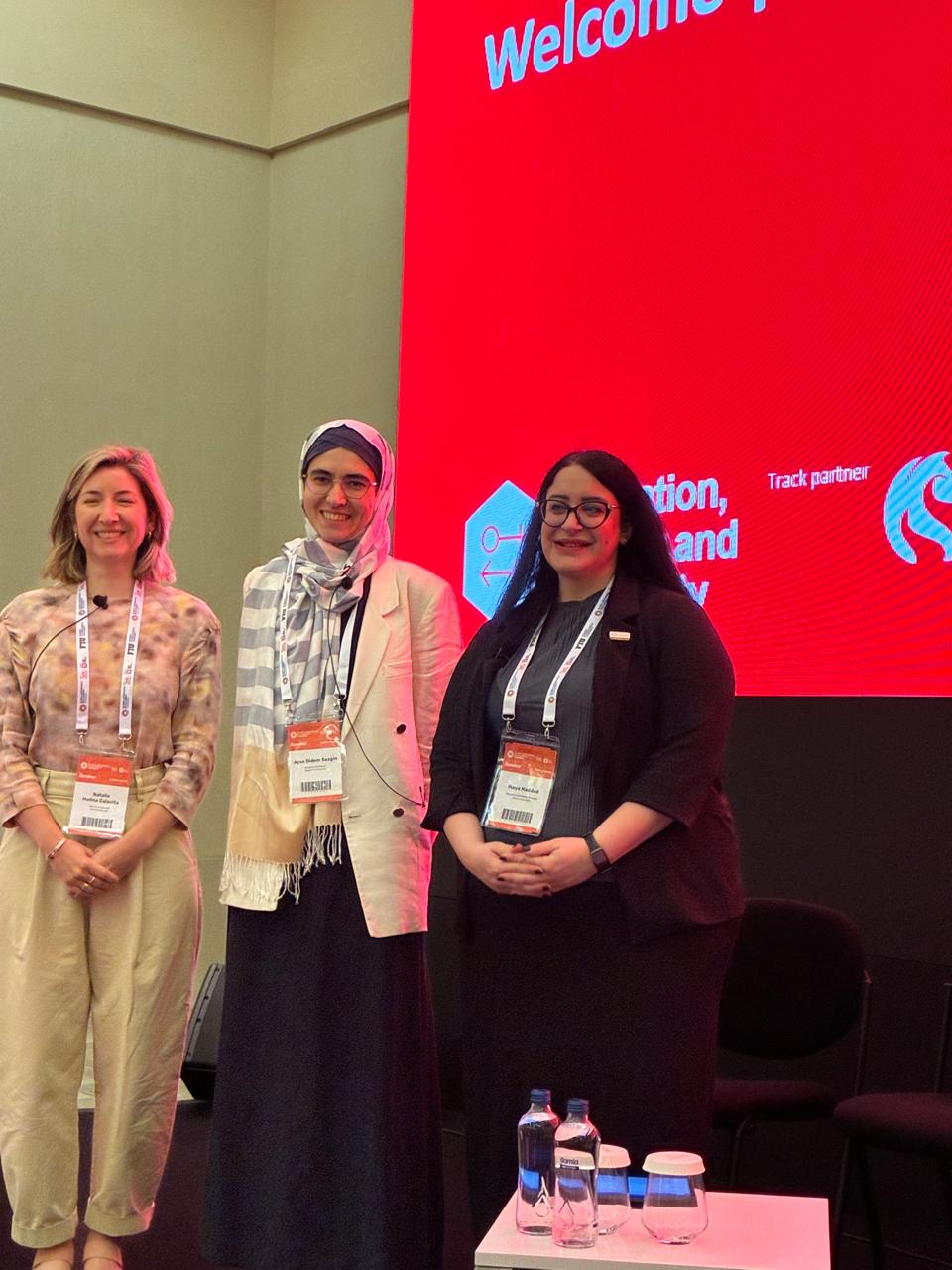
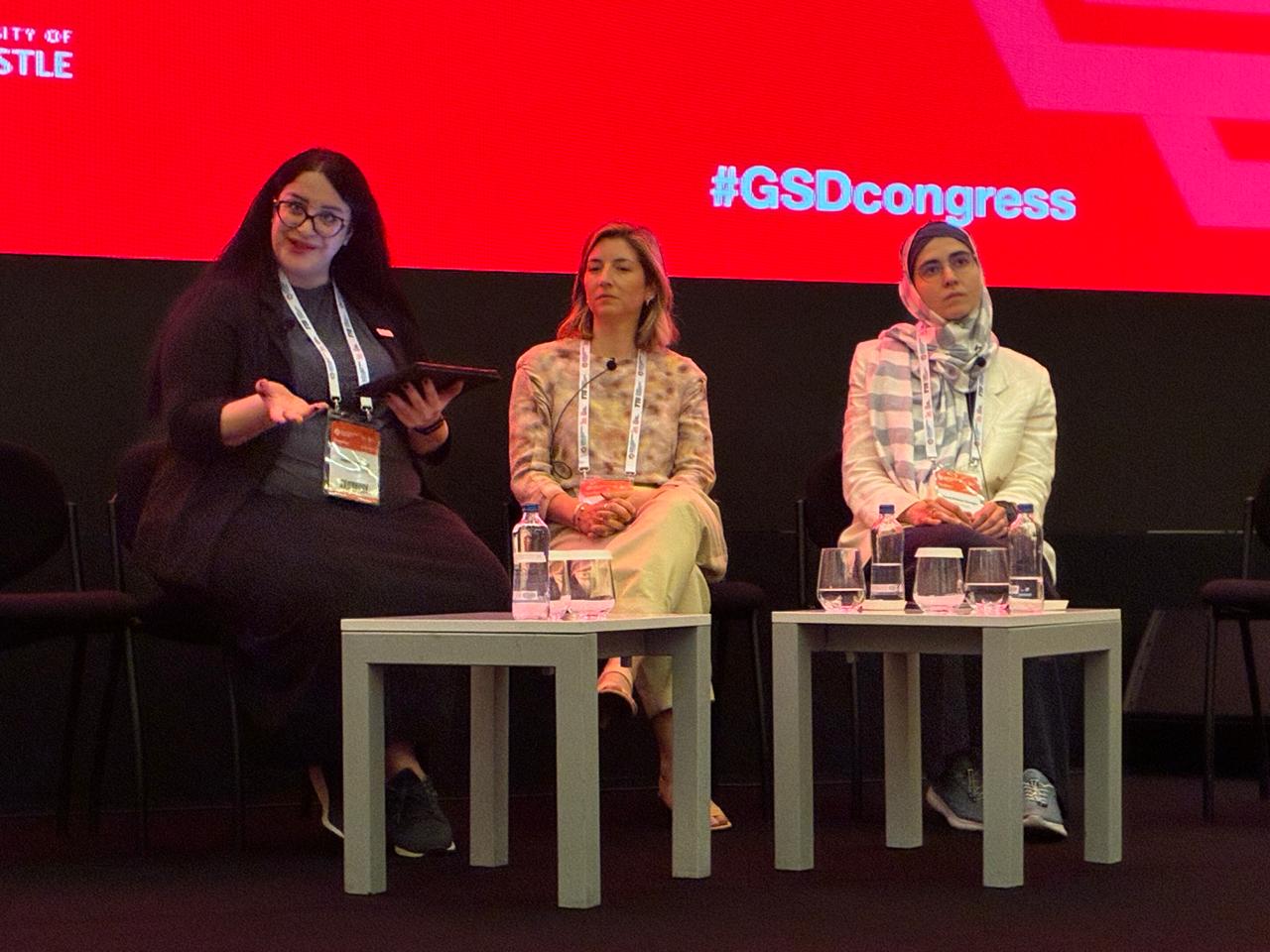
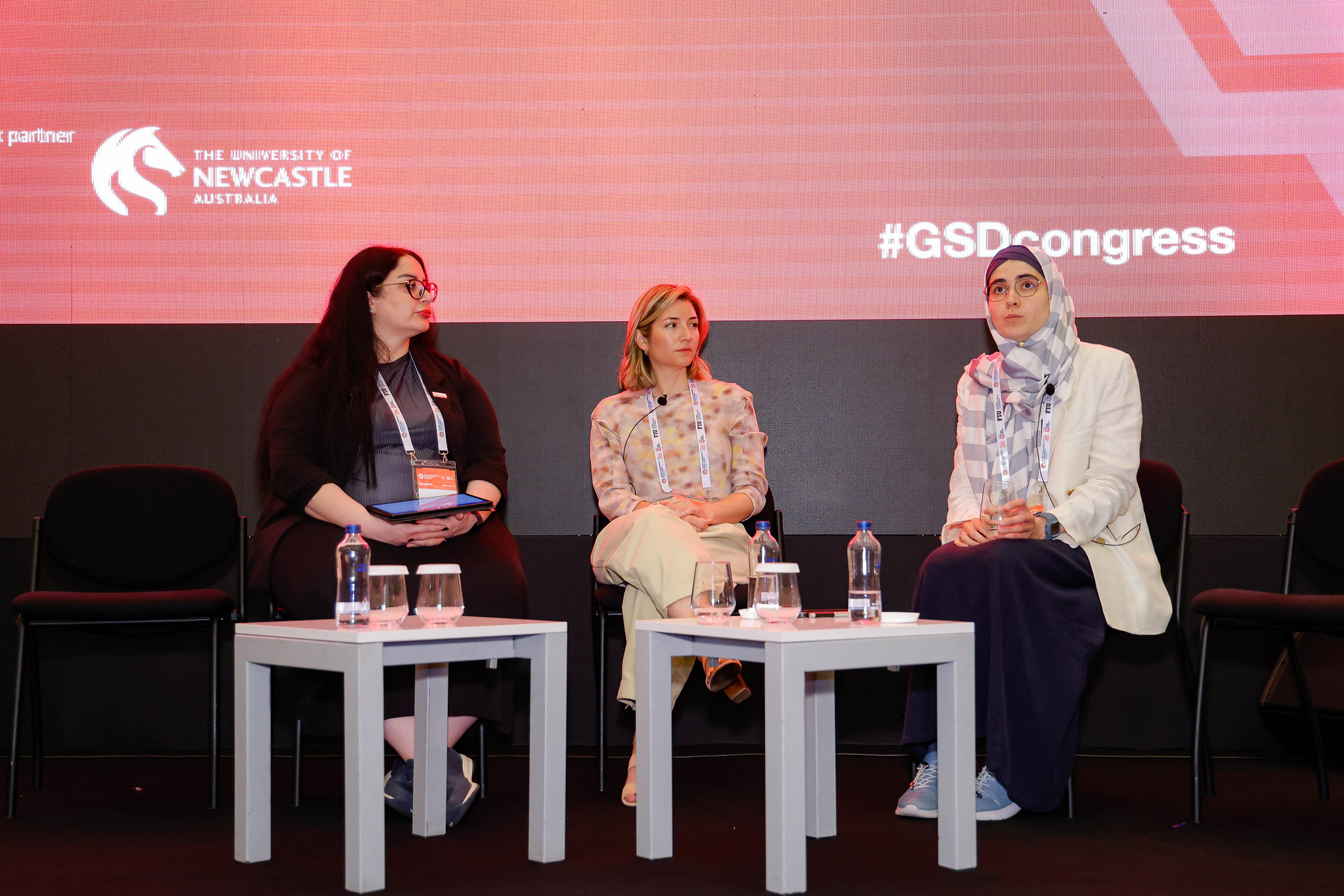
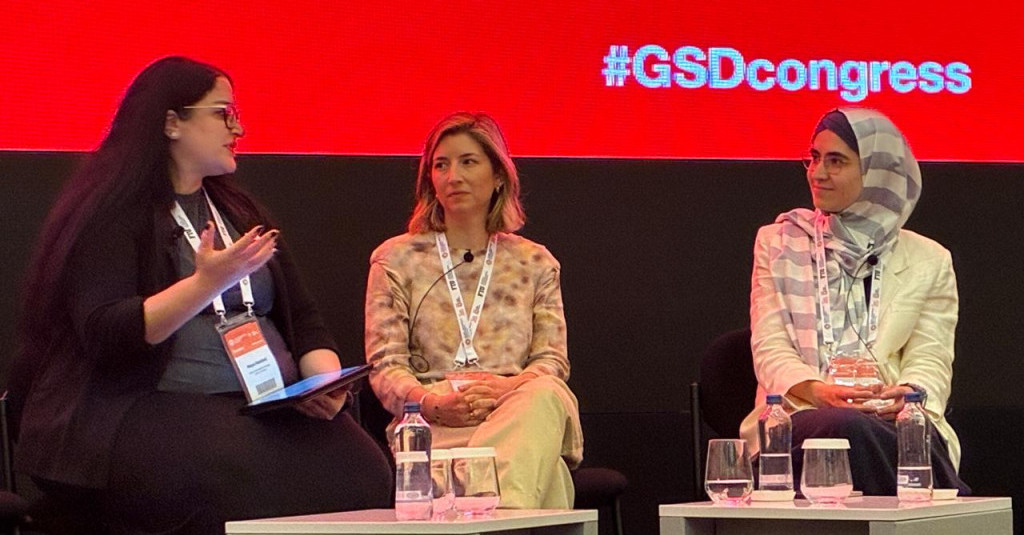
Today, at the Global Sustainable Development Congress (GSDC) in Istanbul, a powerful panel of educators, activists, and students gathered to move beyond the statistics. Titled “Achieving Gender Parity in Global Higher Education,” the session was moderated by Maya Haddad, Senior Sustainability Manager at Ajman University.
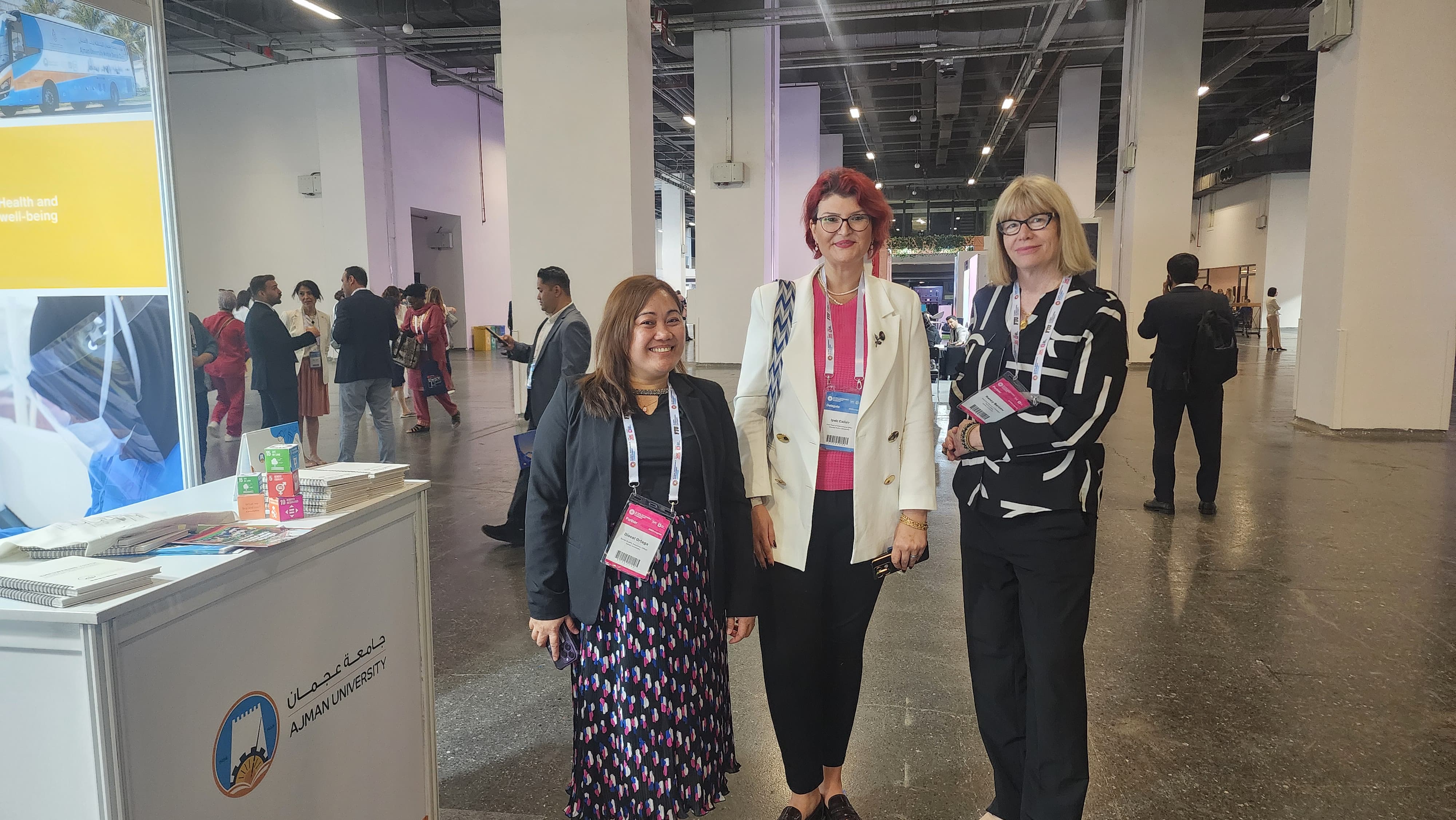
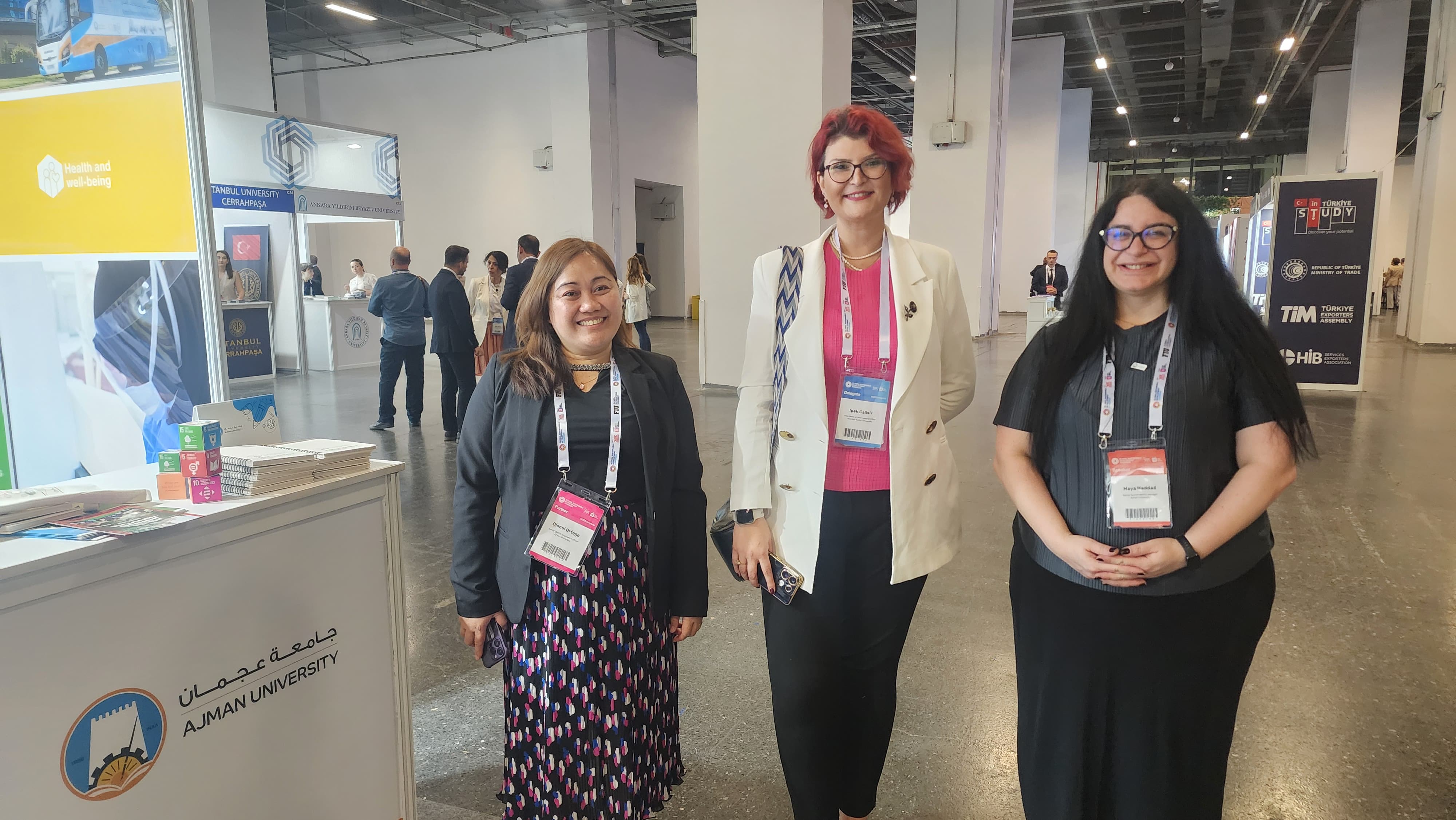
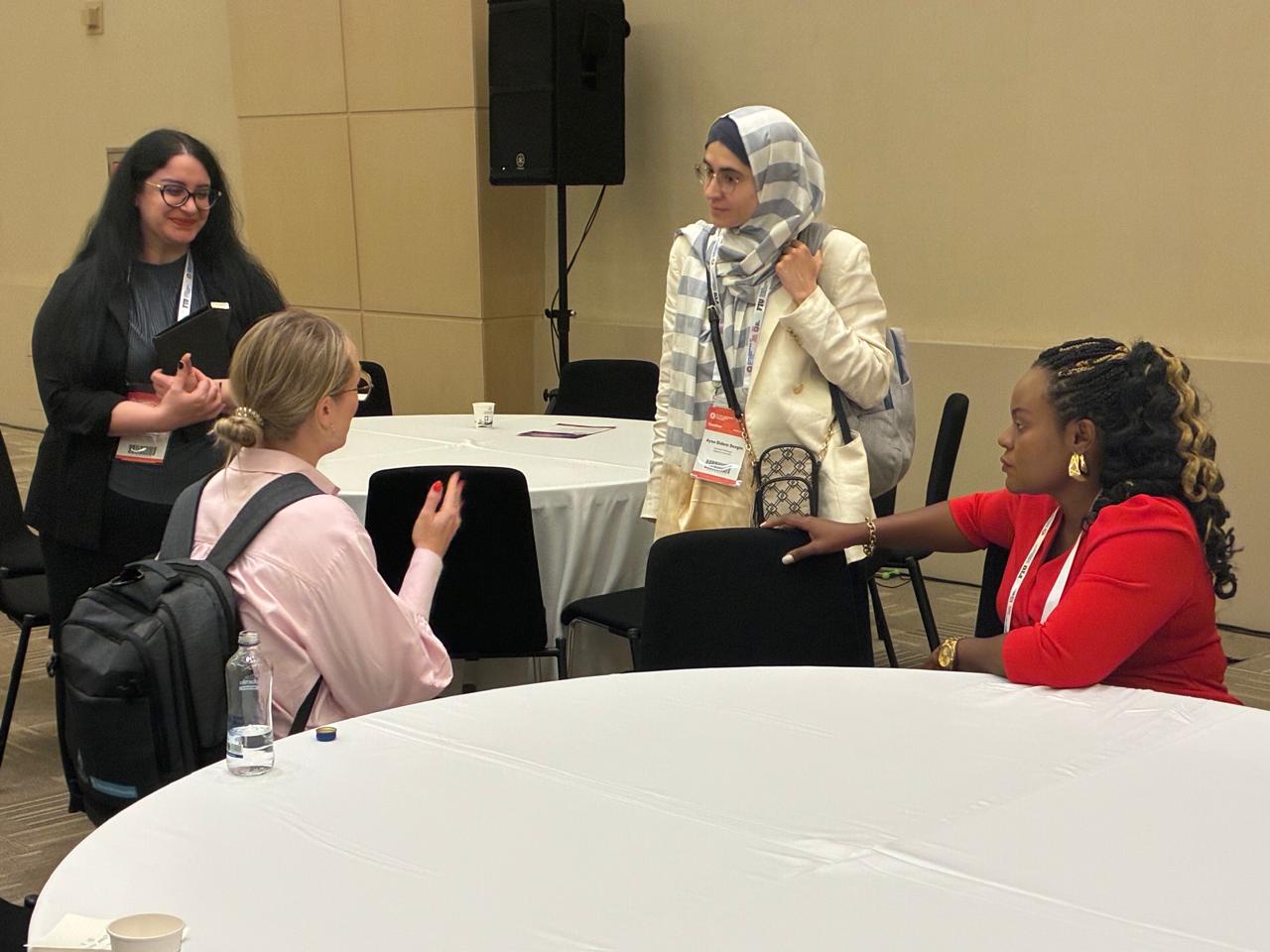
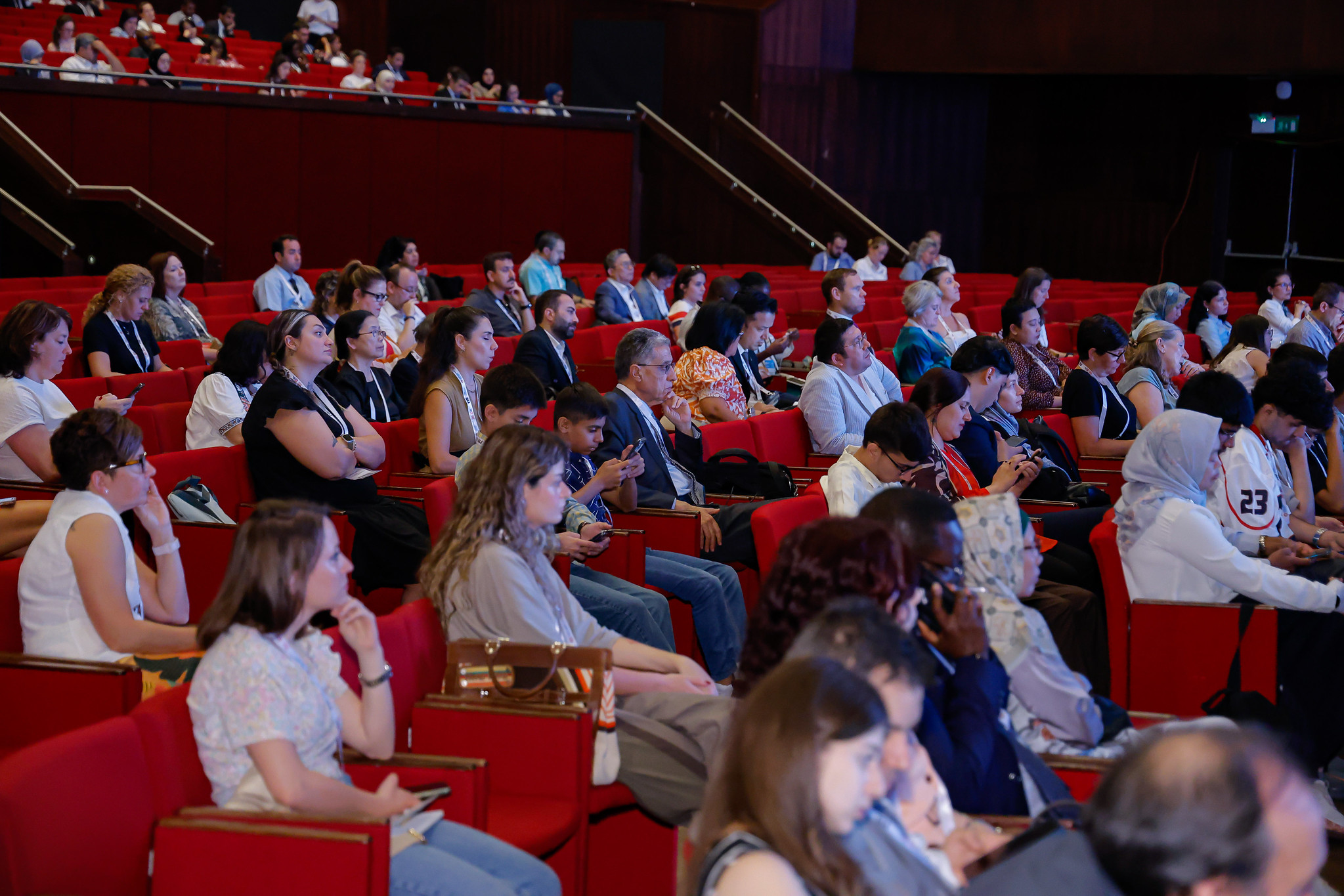
Joining Maya in the audience to support the session were her Ajman University colleagues, Diocel Ortega and Nancy Bercaw, as the panel tackled one of the most persistent challenges in global education.
“We know that higher education has come a long way, but the work is far from over,” Haddad opened. “In many parts of the world, women and girls still face huge barriers to accessing university. And once they’re in, they don’t always get the support they need to truly thrive, especially in fields like STEM.”
Here are the key insights from the session.
What’s Working: Skills, Access, and Mentorship
The panel began by looking at solutions. Natalia Molina Calavita, Partnerships Lead at Girls Go Circular (an initiative of the European Institute of Innovation and Technology), has spent 15 years on the front lines of digital education.
She noted that the most successful interventions are not just about handing out laptops. “We focus on giving girls practical skills in digital technologies and sustainability, often in regions where access is still limited,” Calavita explained. The greatest momentum, she noted, is happening where private sector ambition meets public school infrastructure. However, the gap remains in sustained mentorship; one-off workshops don't create career pathways.
Ayşe Didem Sezgin, an Assistant Professor at Boğaziçi University, brought a legal and geographical lens. After studying in Istanbul, earning a Master’s from King’s College London, and completing a PhD, she noted that structural financial barriers, particularly visa requirements and tuition costs, act as a "silent filter" that excludes brilliant women from the Global South. “We need to look at how legal frameworks impact international female students’ access to postgraduate studies in the Global North,” she said.
The One Underestimated Barrier
As the panel moved toward an audience Q&A, Maya Haddad asked the panelists for a final reflection: What is one underestimated barrier to gender parity that more people should be paying attention to?
- Natalia Molina Calavitapointed to the digital divide within the divide, not just access to the internet, but access to high-quality digital literacy training for girls in rural areas.
- Ayşe Didem Sezginreturned to financial precarity, noting that even "funded" PhDs often don't cover the hidden costs of being a female international student.
Conclusion
The session ended not with applause, but with a quiet sense of resolve. Moderator Maya Haddad thanked the panelists for their vulnerability and the audience for their engagement. Her colleagues from Ajman University, Diocel Ortega and Nancy Bercaw, were present in the room as the conversation concluded, a quiet show of institutional support for the critical work ahead.
“This isn’t just an academic problem,” Haddad concluded. “It is a sustainability problem. You cannot achieve the SDGs without the full participation of half the world’s population. The question is not if we change the system, but how fast we are willing to do so.”
The Global Sustainable Development Congress continues in Istanbul through June 19th.