News
Young Innovators Take on Climate Change: Ajman University's Maya Haddad Leads Judging at Girls in ICT Hackathon
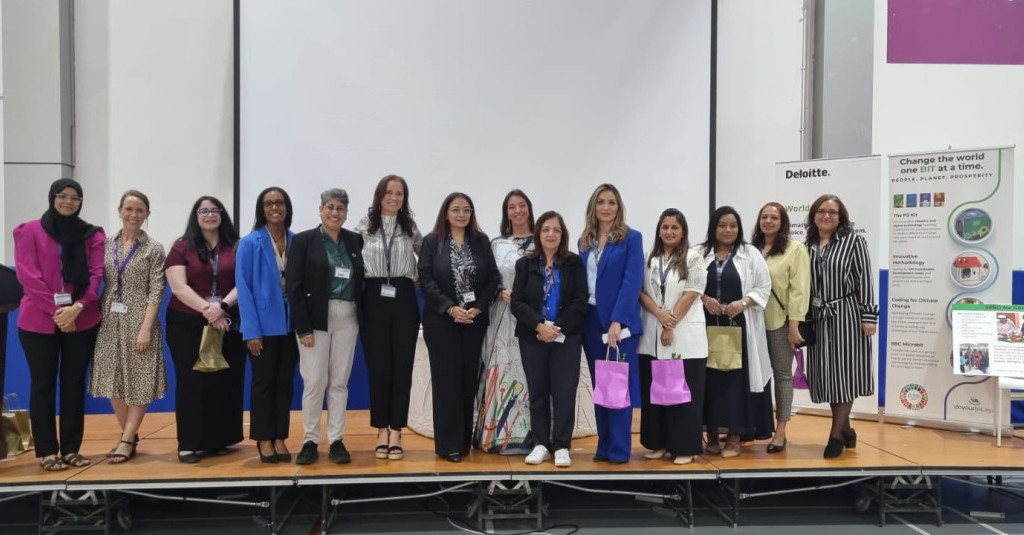
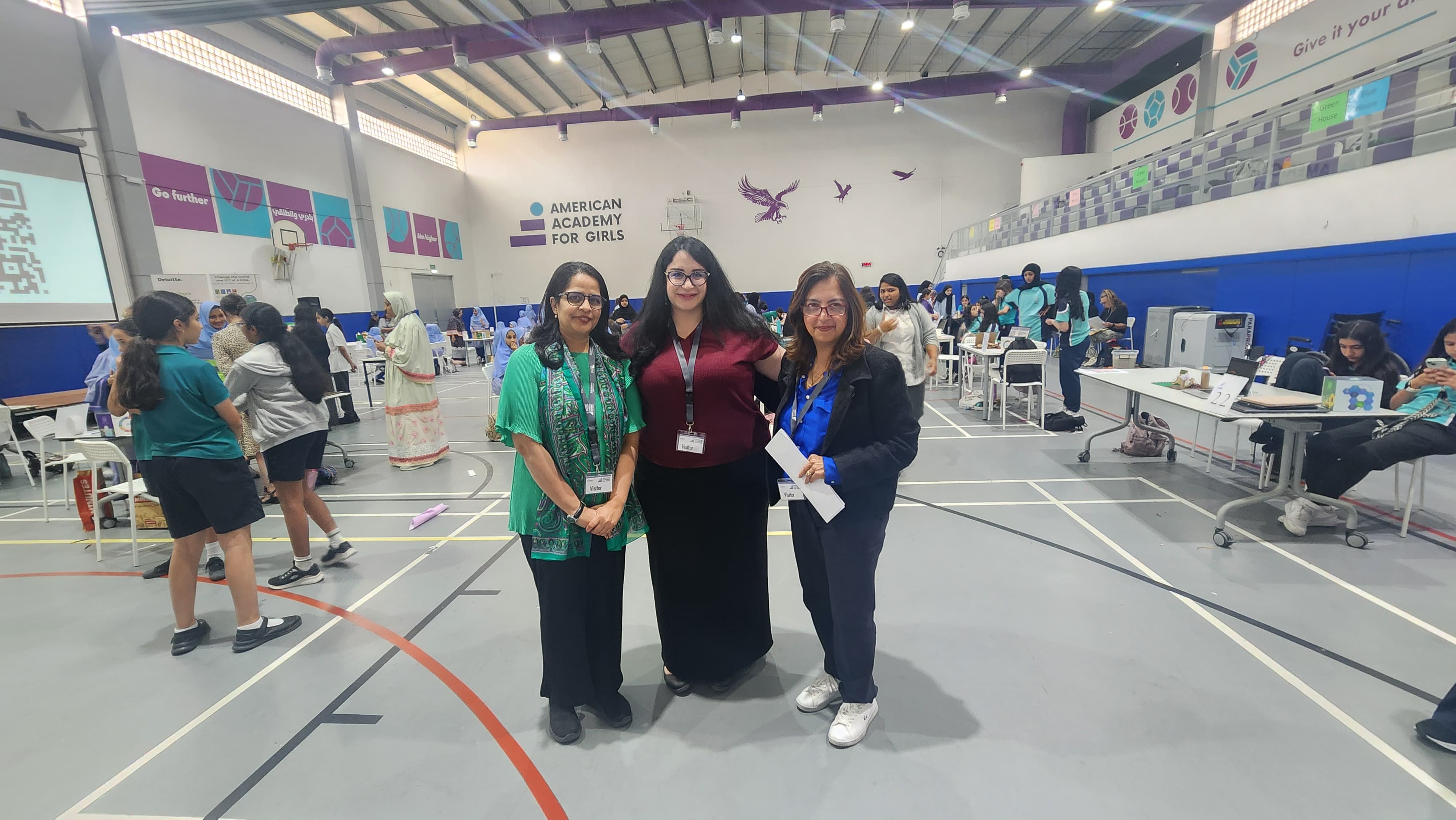
Ms. Maya Haddad, Senior Sustainability Manager at Ajman University, was invited to serve as a judge for the 2nd Girls in ICT Hackathon for Climate Change, at the American Academy for Girls (AAG) in Dubai. The event brought together talented young girls from schools across the United Arab Emirates, challenging them to develop innovative technological solutions to pressing environmental challenges within the context of a global climate emergency.
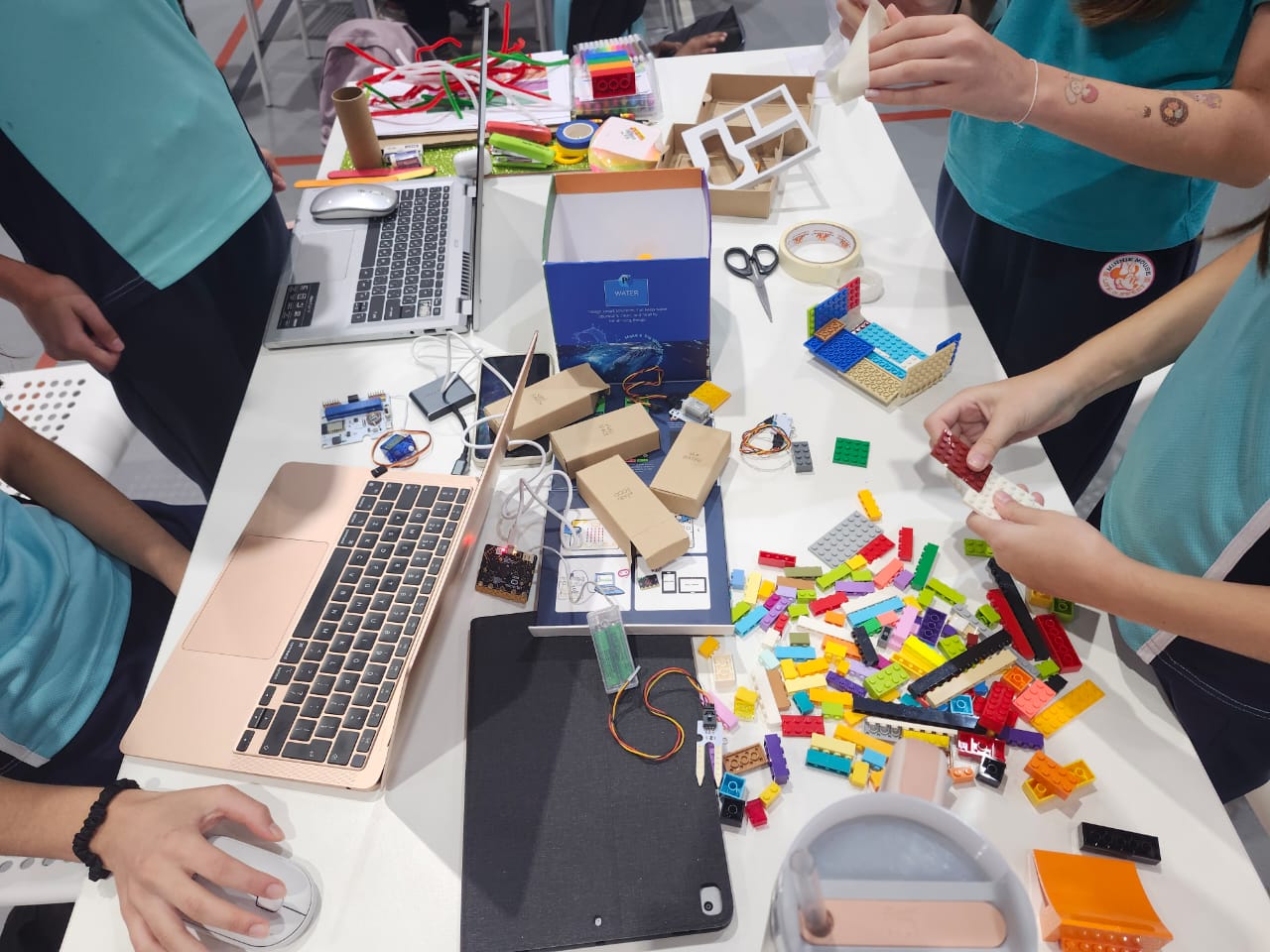
The hackathon was designed to inspire and empower students in Grades 5 to 7, fostering climate literacy and behavioural change from an early age. Participants worked in teams, applying a design-thinking approach to prototype solutions using the BBC Microbit (a P3 coding kit) and other materials. The event aligned with the UAE's broader commitment to decarbonization, carbon neutrality, climate resilience, and the empowerment of young women in science, technology, and sustainability—all essential components of achieving net‑zero emissions by 2050 and meeting the nation's nationally determined contributions (NDCs)
A Day of Innovation and Climate Action
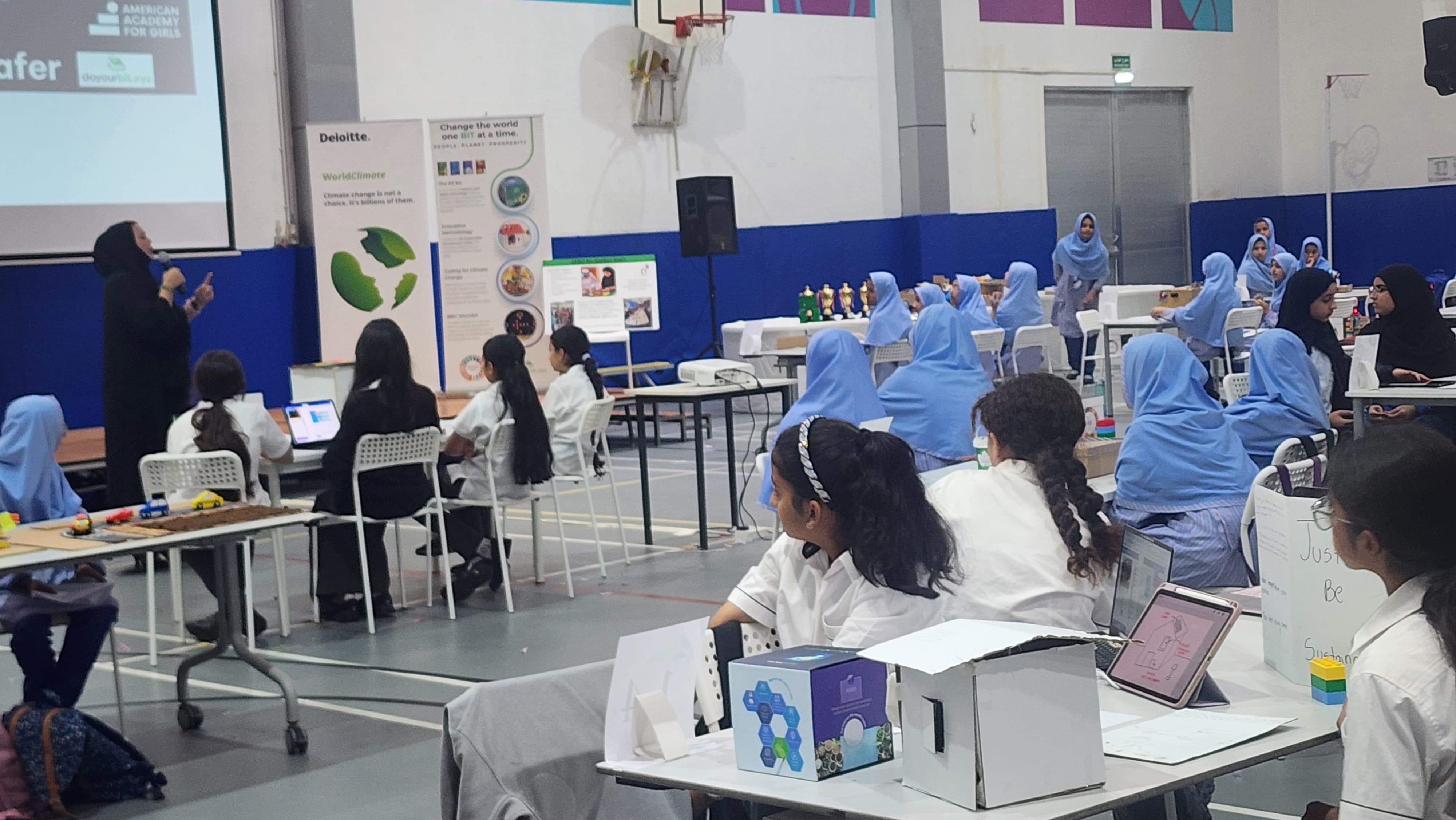
The hackathon began with the arrival and registration of teams, followed by a welcome address from the AAG School Principal and an opening address. After an ice-breaker session and familiarization with the kits and materials, the hackathon officially commenced. Teams worked diligently to conceptualize, design, and build their prototypes before presenting their solutions to a panel of judges, including Ms. Haddad. The day concluded with an awards and closing ceremony celebrating the creativity, ingenuity, and climate commitment of all participating students.
What Made a Project Special
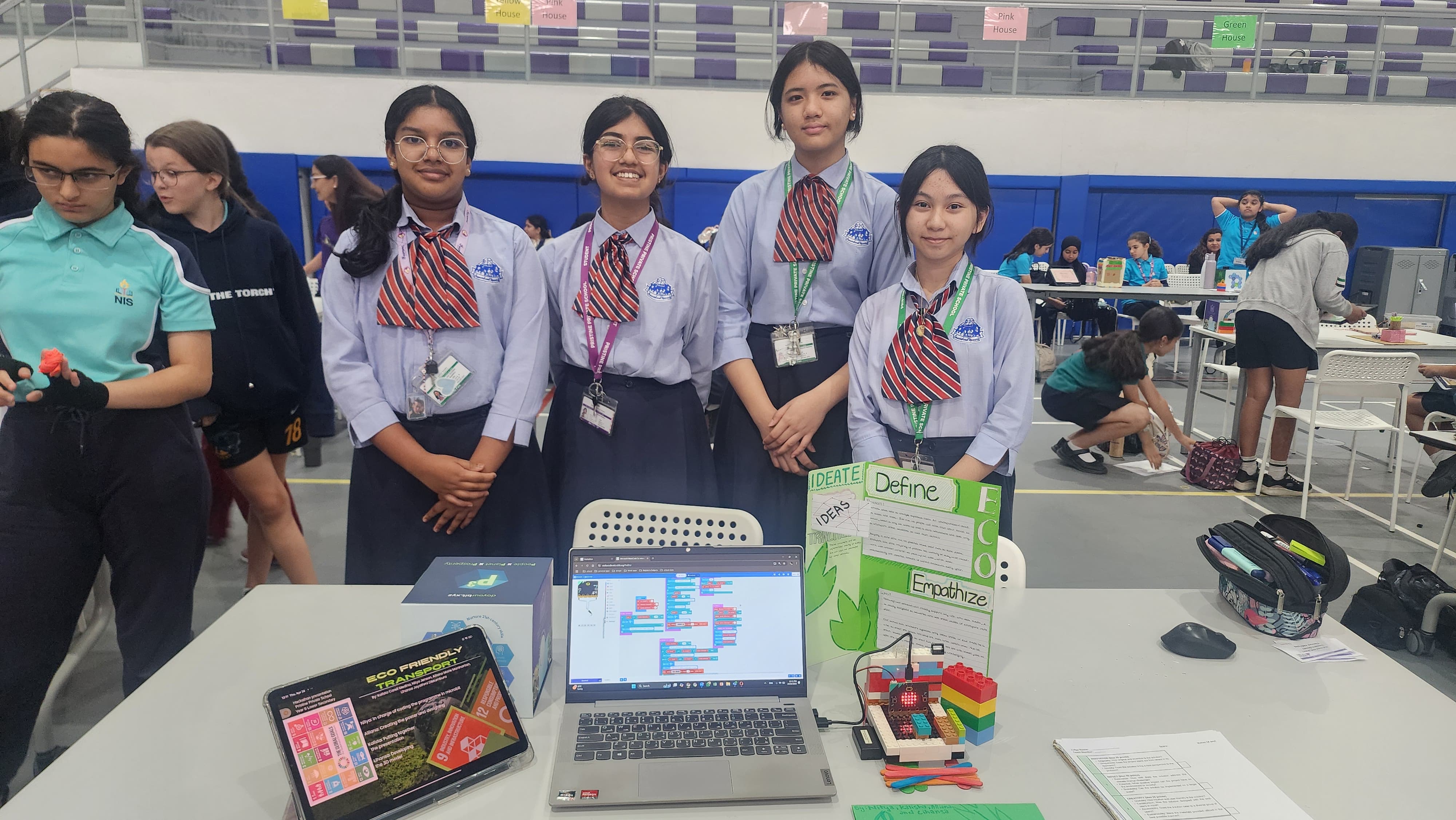
Among the many impressive submissions, several projects stood out for their originality, practical applicability, and deep understanding of environmental challenges. One team developed a smart irrigation prototype using the BBC Microbit to monitor soil moisture and optimize water usage—directly addressing climate risk and climate vulnerability in agriculture while promoting energy efficiency and sustainable agriculture practices. Another team created a classroom energy monitor that alerted students when lights or fans were left on, encouraging behavioural change and reducing the carbon footprint of their school. A particularly innovative project involved a wearable device designed to detect poor air quality and issue early warnings, contributing to early warning systems and disaster risk reduction (DRR) for individuals with respiratory conditions. These projects demonstrated not only technical skill but also a genuine commitment to climate justice and community well-being.
Judging Criteria: Fostering Innovation, Impact, and Collaboration
The Judges evaluated student projects across five key categories, reflecting the hallmarks of meaningful climate action. Teams were assessed on the originality and novelty of their solutions, with particular attention given to whether their ideas brought a fresh perspective to environmental challenges. The potential real-world impact of each project was carefully considered, including how well the solution addressed specific climate issues, what positive environmental or social change it could achieve, and whether it could be scaled up for broader implementation—key factors in achieving climate resilient development.
Creativity formed a central pillar of the evaluation, with judges examining how intuitive and user-friendly each prototype was, whether it had been designed with end-users in mind, how accessible it would be to diverse groups of people, and how sustainably the provided materials had been utilized—directly reflecting circular economy and zero waste principles. Collaboration was also key, as judges observed how well team members worked together, communicated, and coordinated their efforts throughout the hackathon. Finally, bonus points were awarded for exceptional achievements, innovative ideas, or additional efforts that went beyond the basic requirements.
The hackathon served as a powerful platform for nurturing climate activism and grassroots movements among the next generation. By challenging young girls to develop technology-driven solutions for environmental problems, the event contributed to climate mainstreaming in education and reinforced the importance of climate adaptation plans from an early age.
Students explored solutions that could reduce the carbon footprint of everyday activities, promote renewable energy sources (solar, wind, hydro, geothermal, tidal), and support sustainable mobility / low‑carbon transport. Many projects implicitly addressed climate resilience infrastructure by focusing on community-level adaptation, while others incorporated principles of nature‑based solutions (NbS) such as ecosystem restoration and the protection of blue carbon ecosystems (mangroves, seagrasses, salt marshes).
Some teams drew inspiration from the role of carbon sinks (forests, oceans, soil) in absorbing emissions, while others considered how afforestation and reforestation could complement technological solutions. A few projects touched upon the potential of green hydrogen and electrification of transport and heating as long-term pathways for decarbonizing energy-intensive sectors.
Addressing Climate Tipping Points and Feedback Loops
Through guided discussions with judges, students learned about the urgency of staying within the global carbon budget and avoiding irreversible climate tipping points that could trigger dangerous climate feedback loops. Ms. Haddad emphasized that while carbon offsetting and carbon credits have a role to play, they remain a "last resort" behind deep emissions reductions, energy efficiency, and the transition to renewable energy.
Students were introduced to the concept of negative emissions through carbon removal technologies such as direct air capture (DAC) and carbon capture, utilization, and storage (CCUS), as well as through nature‑based solutions like ecosystem restoration and sustainable agriculture. The importance of methane reduction (from agriculture, waste, and oil/gas sectors) and black carbon mitigation was also discussed as near‑term climate strategies aligned with fossil fuel phase out.
A Just Transition Through Girls in ICT
The 2nd Girls in ICT Hackathon for Climate Change exemplified the principles of a just transition and climate justice by ensuring that young women—often underrepresented in technology and sustainability fields—have equal opportunities to lead, innovate, and shape the future. By equipping students with climate literacy and hands-on coding skills, the event prepared them to contribute meaningfully to the UAE's net‑zero emissions target and long‑term low‑emission development strategies (LT‑LEDS).
The hackathon also highlighted the role of climate finance mechanisms, including green bonds and carbon pricing (such as emissions trading schemes (ETS) or a carbon tax), in scaling up youth-led innovations. Students gained awareness of emerging policy tools such as the Carbon Border Adjustment Mechanism (CBAM) and how corporate climate accountability and environmental, social and governance (ESG) criteria are shaping investment decisions worldwide. Discussions also touched upon loss and damage, and how early interventions can reduce the need for costly adaptation measures later.
Building Climate Resilient Development
Ms. Haddad's participation as a judge reflected Ajman University's deep commitment to community engagement, climate diplomacy, and climate resilient development. Her feedback and encouragement provided invaluable guidance to young innovators, helping them understand how their ideas could evolve into scalable climate solutions that address loss and damage, enhance early warning systems, and reduce climate vulnerability in their own communities. The hackathon also demonstrated how climate modelling and scenario analysis (SSPs, RCPs) can inform the design of resilient solutions, and how climate litigation may increasingly be used to hold polluters accountable.