News
Ajman University Students Explore Digital Innovation and Sustainable Trade at GITEX 2025
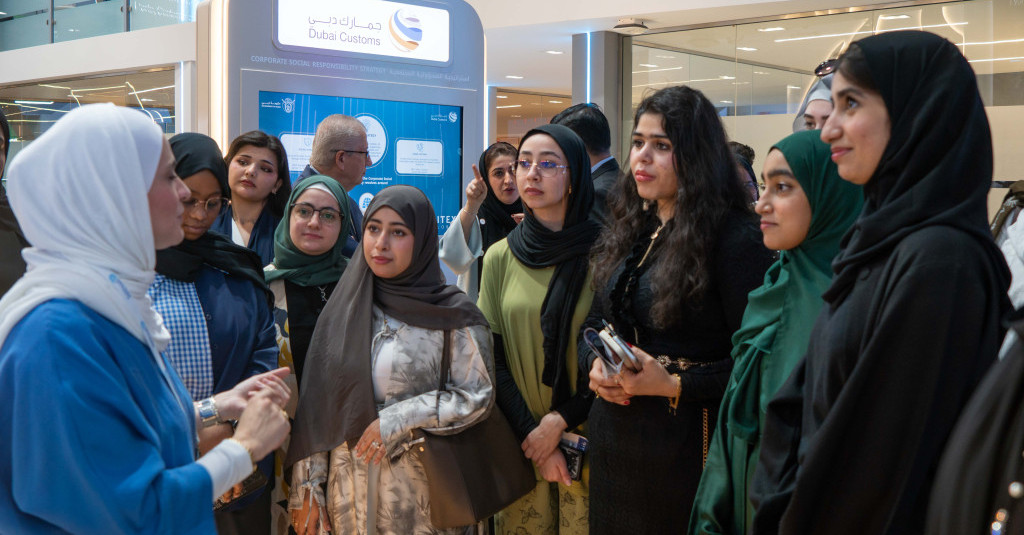
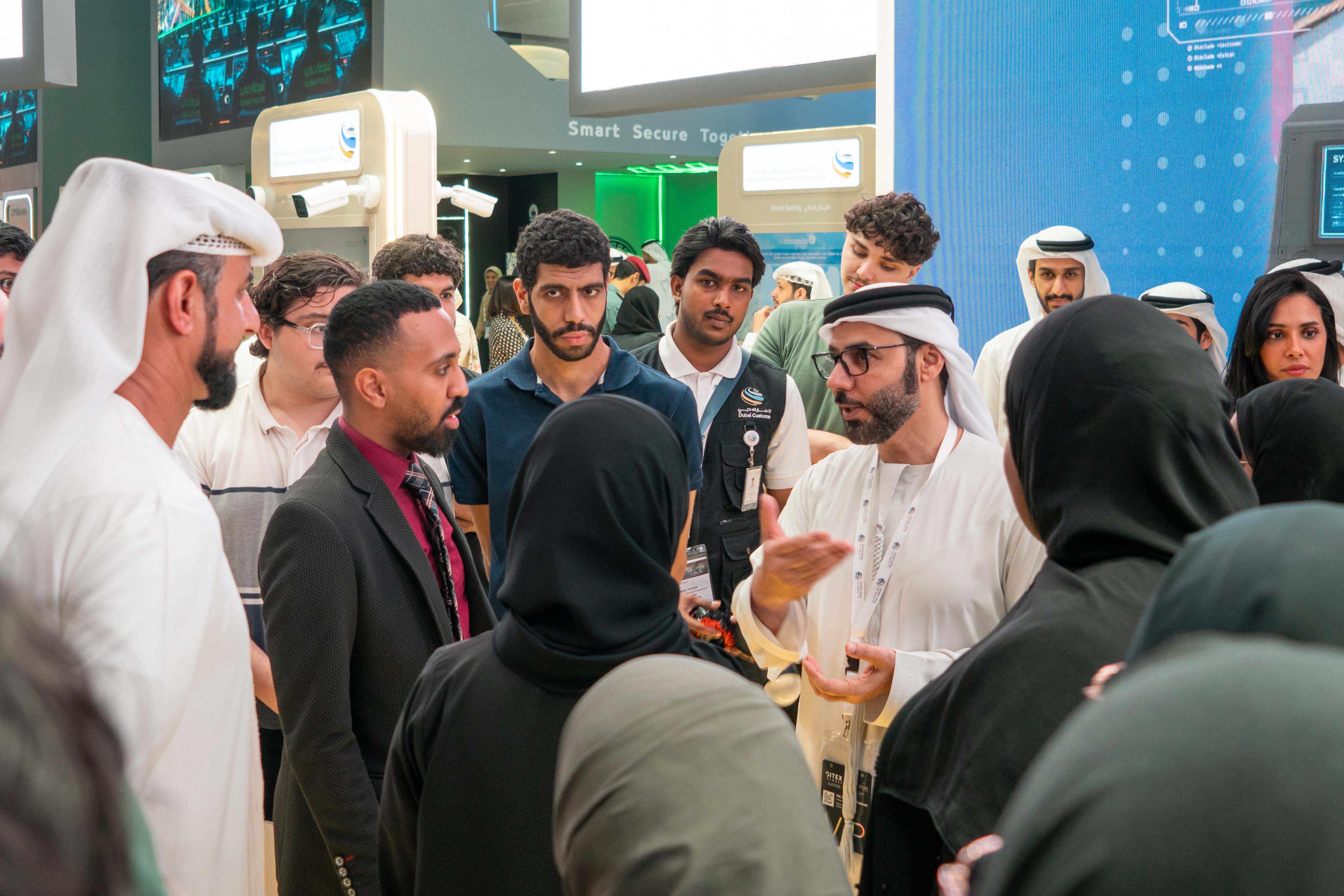
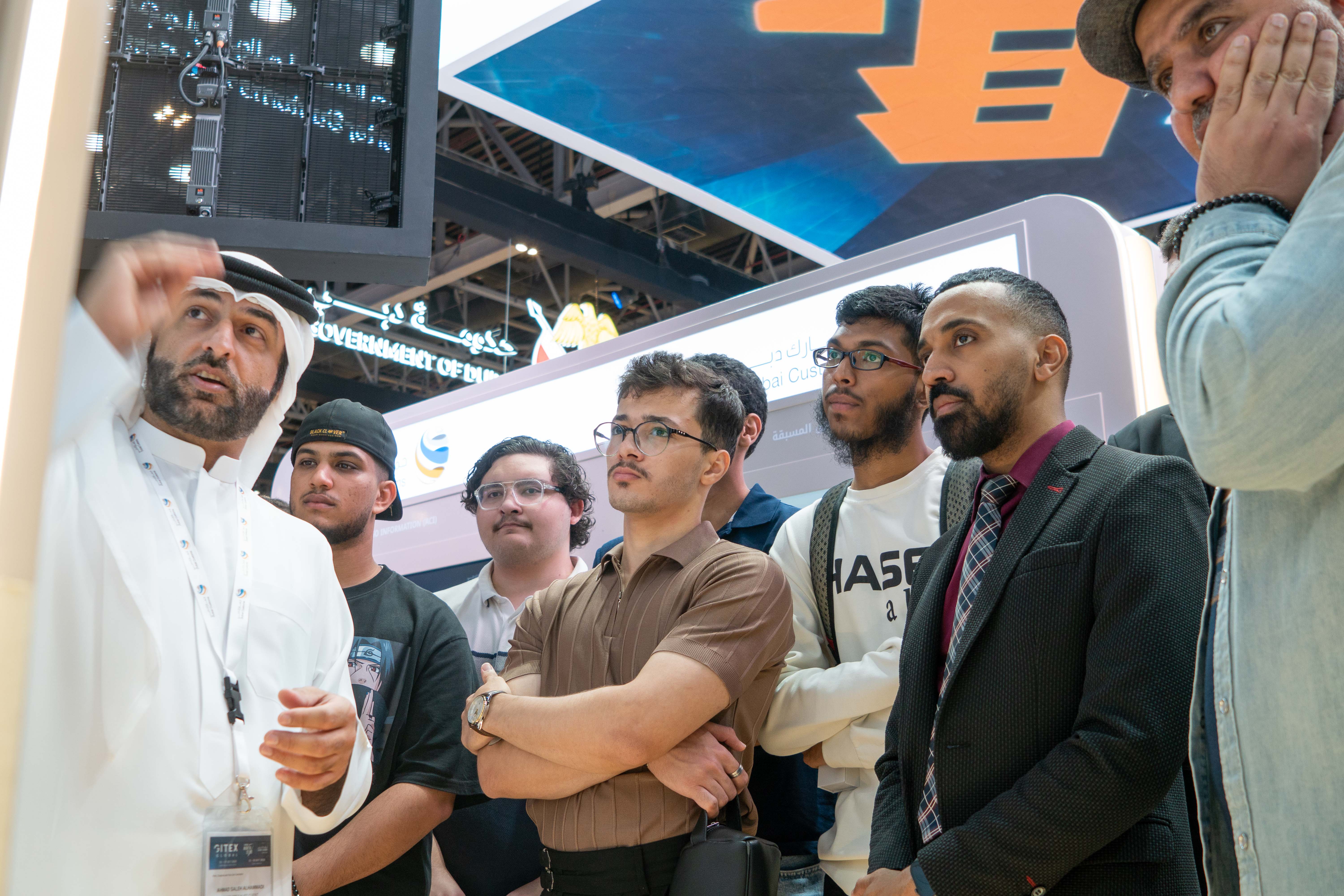
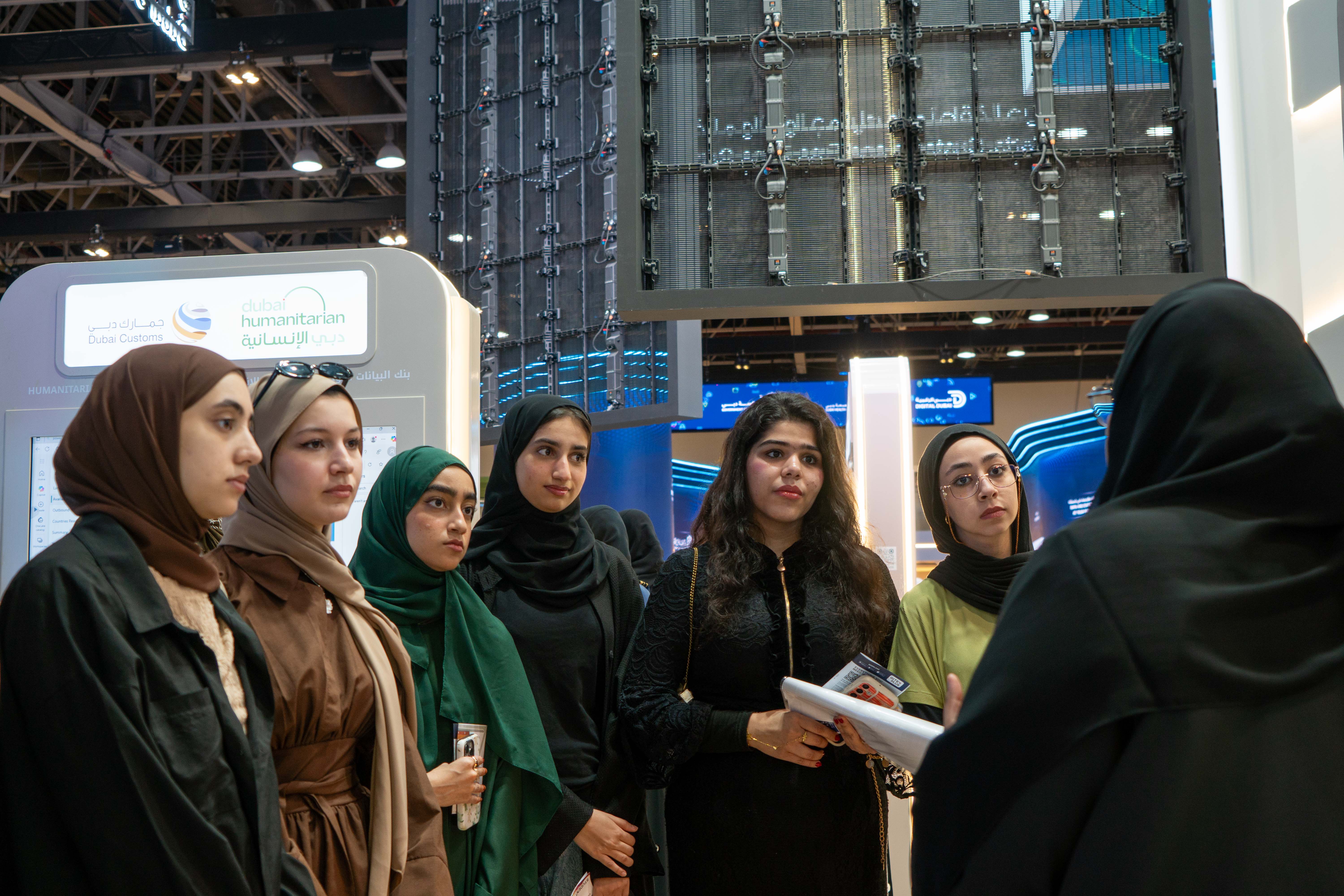
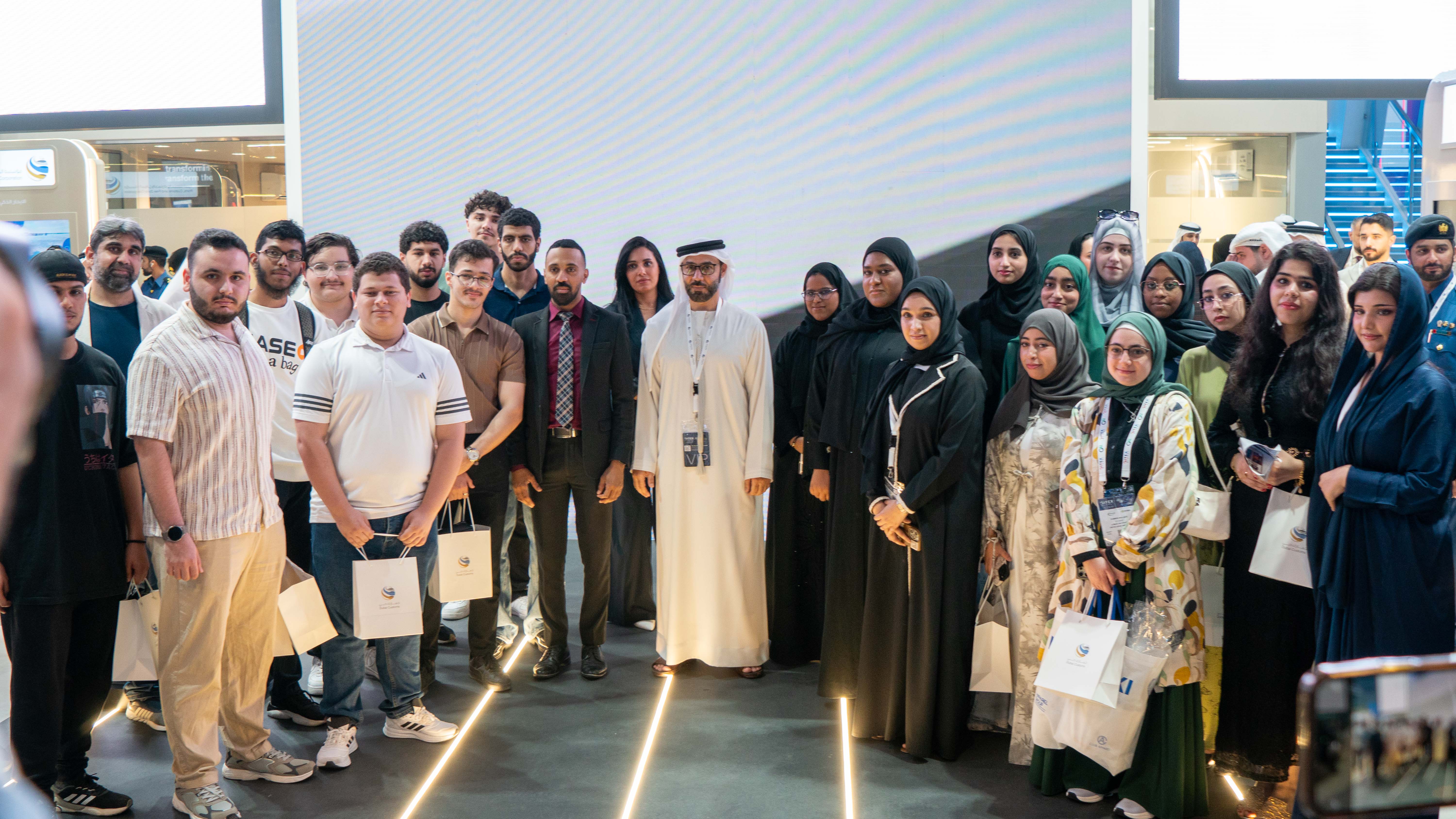
Students from Ajman University (AU) attended an educational visit to GITEX Global 2025 , where they explored the latest advancements in digital innovation, smart technologies, and sustainable trade solutions. The visit was hosted through a special invitation and sponsorship from Dubai Customs under the theme "Enabling Economies and Facilitating Trade."
The experience provided students with a unique opportunity to witness firsthand how digital transformation can contribute to building more sustainable, efficient, and climate‑resilient economic systems—aligning directly with the UAE's broader decarbonization goals, carbon neutrality target, and net‑zero emissions ambition by 2050.
Exclusive Tour of Dubai Customs Booth
During the visit, students were given an exclusive tour of the Dubai Customs booth, where representatives introduced them to a range of innovative technologies and smart customs solutions that are transforming global trade and logistics. The session highlighted how digital innovation can reduce the carbon footprint of cross‑border trade while enhancing operational efficiency, transparency, and traceability.
Students learned about:
-
Advanced paperless trade initiatives that minimize physical documentation, contributing to circular economy and zero waste principles by reducing paper consumption and associated emissions from printing, shipping, and storage.
-
Smart tracking systems powered by emerging technologies, enabling real‑time visibility of goods across supply chains and supporting sustainable mobility / low‑carbon transport through optimized logistics routing and reduced fuel consumption.
-
Digital platforms designed to streamline customs operations, reduce paperwork, and optimize supply chain efficiency—directly contributing to energy efficiency gains across the trade ecosystem.
Linking Digital Transformation to Climate Action and Climate Diplomacy
The session also emphasized how these technologies support transparency, traceability, and responsible consumption practices while helping reduce environmental impacts across international trade networks. Students learned that efficient, digitized trade systems can play a meaningful role in climate adaptation plans by reducing delays, waste, and unnecessary energy consumption. This alignment between trade digitalization and environmental goals represents a form of climate diplomacy, demonstrating how non‑climate sectors can contribute to the UAE's nationally determined contributions (NDCs) and long‑term low‑emission development strategies (LT‑LEDS).
Discussions touched upon how digital trade solutions can complement broader climate resilience infrastructure by enabling faster response times for essential goods during climate‑related disruptions. The integration of smart systems also supports disaster risk reduction (DRR) by improving supply chain visibility and early warning capabilities for potential logistical bottlenecks caused by extreme weather events.
Climate Finance, ESG, and Corporate Accountability
While the primary focus was on digital innovation, students drew connections to the role of climate finance mechanisms—such as green bonds—in scaling up sustainable trade technologies. They also considered how corporate climate accountability and environmental, social and governance (ESG) criteria are increasingly shaping procurement and logistics decisions across both public and private sectors. The visit sparked discussions on how carbon pricing mechanisms (including emissions trading schemes or a carbon tax) could influence future trade policies, and how the Carbon Border Adjustment Mechanism (CBAM) is already reshaping global trade dynamics by linking market access to carbon performance.
Inspiring Future Research and Academic Initiatives
In addition to expanding their knowledge of emerging technologies, the visit provided students with inspiration for future research, capstone projects, and academic initiatives focused on sustainability and innovation. The experience allowed students to engage directly with industry professionals and witness first‑hand how organizations such as Dubai Customs are leading digital transformation efforts in the region.
By observing real‑world applications of climate mainstreaming in trade policy, students gained valuable insights into how NDCs and LT‑LEDS can be implemented at the operational level. The visit also reinforced the importance of climate literacy and behavioural change among future business and technology leaders, who will be responsible for embedding sustainability into global supply chains. Students recognized that achieving net zero emissions requires not only technological solutions but also a shift in organizational culture and individual decision‑making.
Building Climate Resilience Through Trade Innovation
The technologies showcased at the Dubai Customs booth demonstrated how digitalization can reduce climate vulnerability in trade‑dependent economies. By enabling more efficient tracking, verification, and documentation, smart customs solutions help minimize the risk of delays, spoilage, and resource waste—all of which contribute to a higher carbon footprint. These innovations also support a just transition by ensuring that trade remains accessible and efficient for developing economies, without imposing undue burdens that could exacerbate existing inequalities.
Students reflected on how sustainable trade practices can complement nature‑based solutions (NbS) and ecosystem restoration efforts by reducing demand for raw material extraction and promoting responsible consumption. While the visit did not directly cover carbon capture, utilization, and storage (CCUS) or direct air capture (DAC), students noted that efficient trade systems reduce the overall energy demand across supply chains, indirectly supporting carbon removal efforts by lowering baseline emissions. They also discussed the role of carbon sinks (forests, oceans, soil) in absorbing residual emissions, and how trade policies could incentivize the protection of blue carbon ecosystems such as mangroves, seagrasses, and salt marshes.
Addressing Climate Risk and the Climate Emergency
The visit took place against the backdrop of a global climate emergency, characterized by accelerating climate feedback loops and the approach of irreversible climate tipping points. Students learned that sustainable trade systems are an essential component of climate resilient development, helping economies adapt to climate risks while maintaining essential flows of goods and services. By reducing methane and black carbon emissions associated with inefficient logistics and waste, digital trade solutions contribute to near‑term climate mitigation alongside long‑term decarbonization efforts.
The experience also encouraged students to think critically about the role of climate activism and grassroots movements in holding corporations and governments accountable for their emissions. They discussed how tools like the climate action tracker can monitor progress toward science‑based targets, and how climate litigation may increasingly be used to enforce commitments to fossil fuel phase out and emissions reduction.
As the world confronts the escalating climate emergency, Ajman University remains committed to equipping its students with the knowledge, skills, and networks needed to drive positive change. Visits such as this to GITEX Global 2025 exemplify how experiential learning can inspire the next generation of innovators to integrate sustainability into every sector—from trade and logistics to design, healthcare, and beyond.