News
A Sweet Harvest Powered by the Sun: Inside Ajman University's Solar Hydroponic Garden – A Partnership with ICARDA
A Sweet Harvest Powered by the Sun: Inside Ajman University's Solar Hydroponic Garden – A Partnership with ICARDA
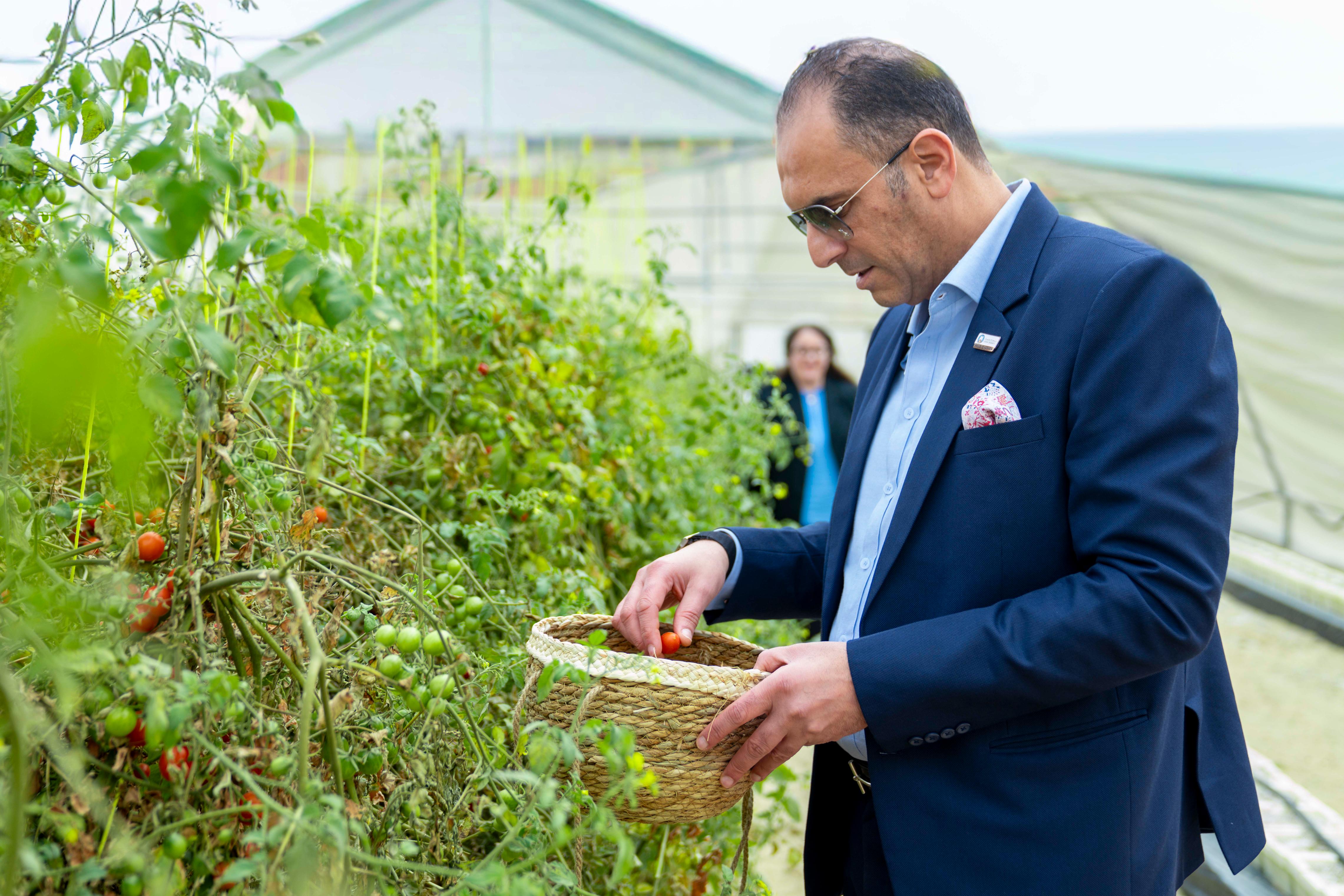
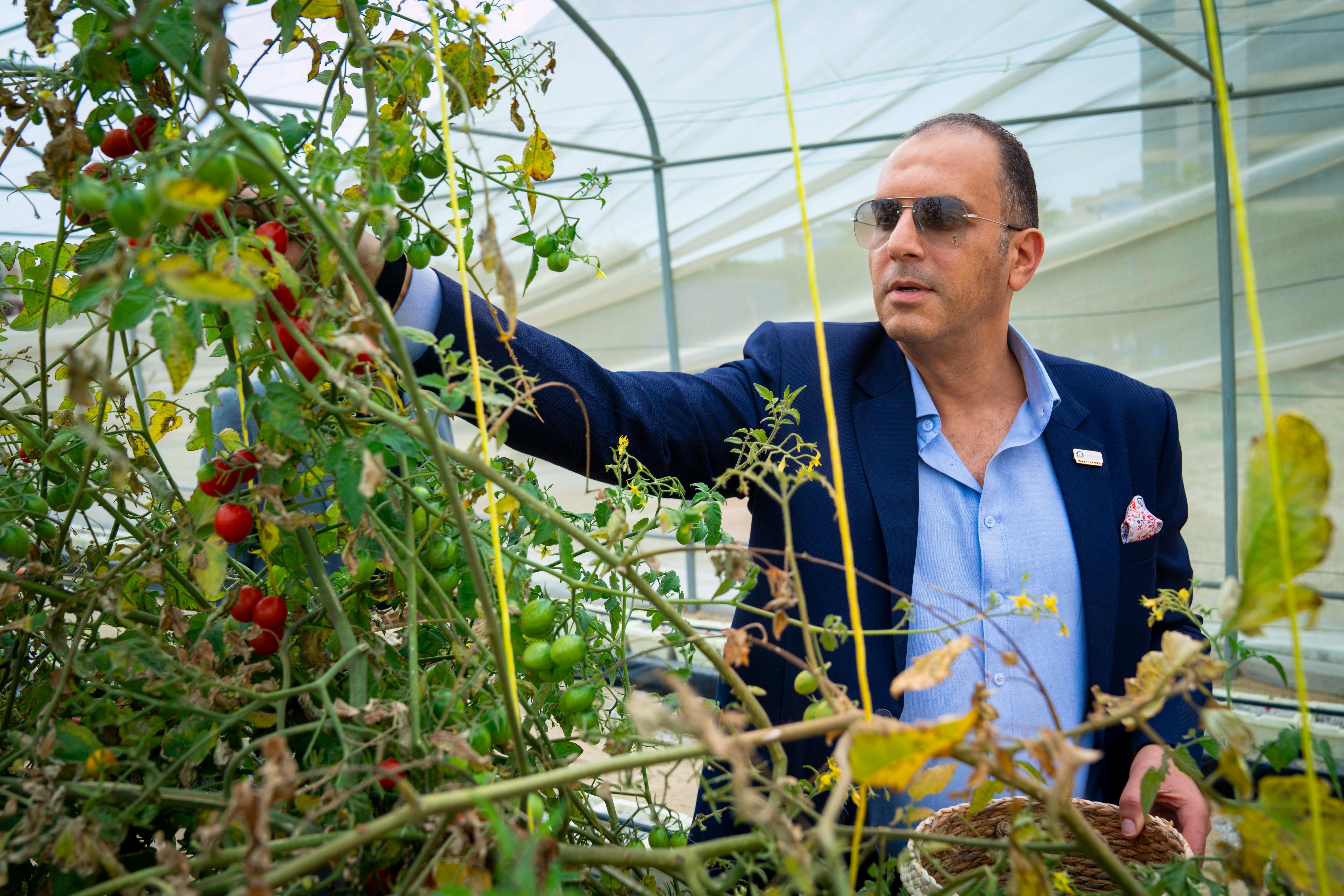
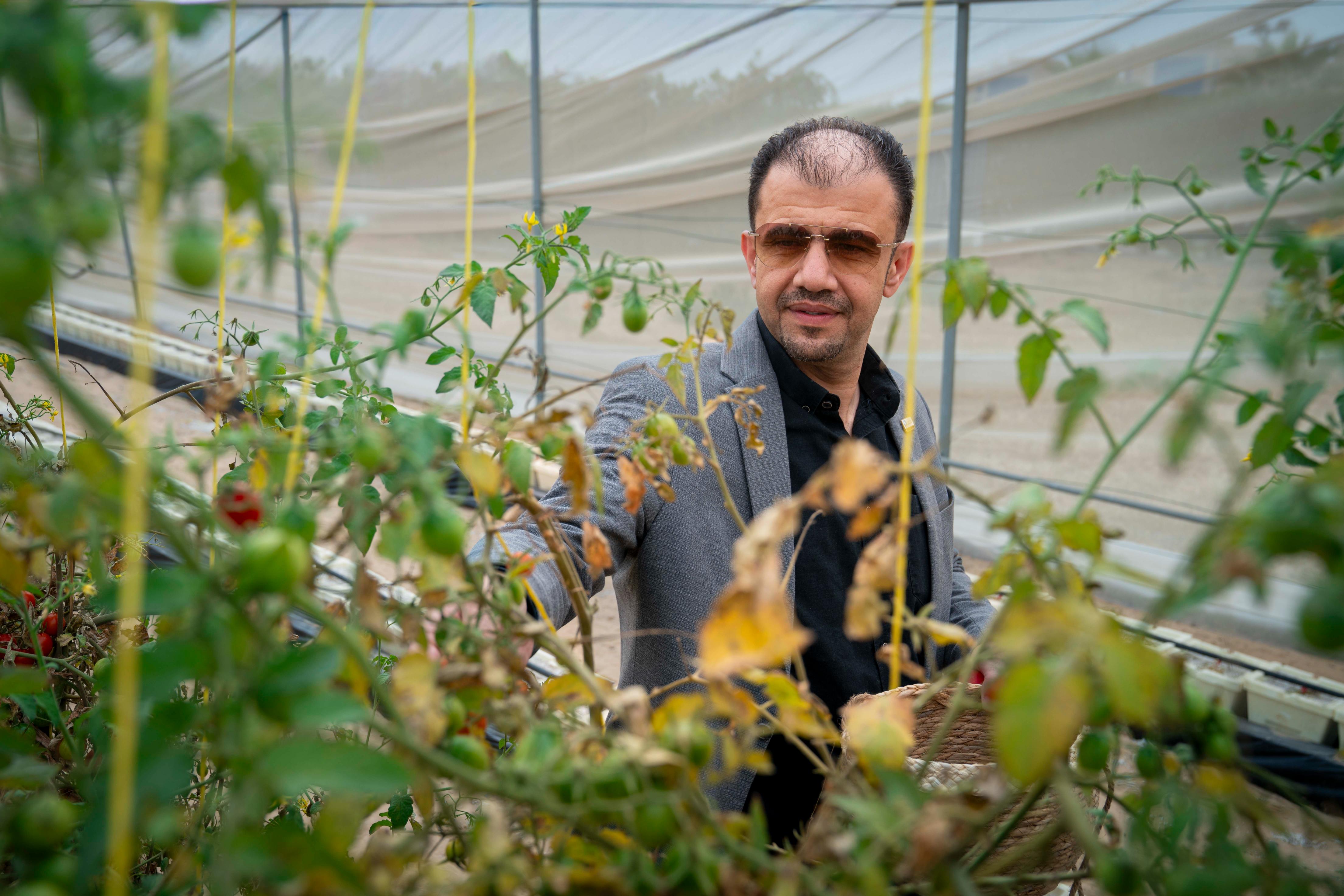
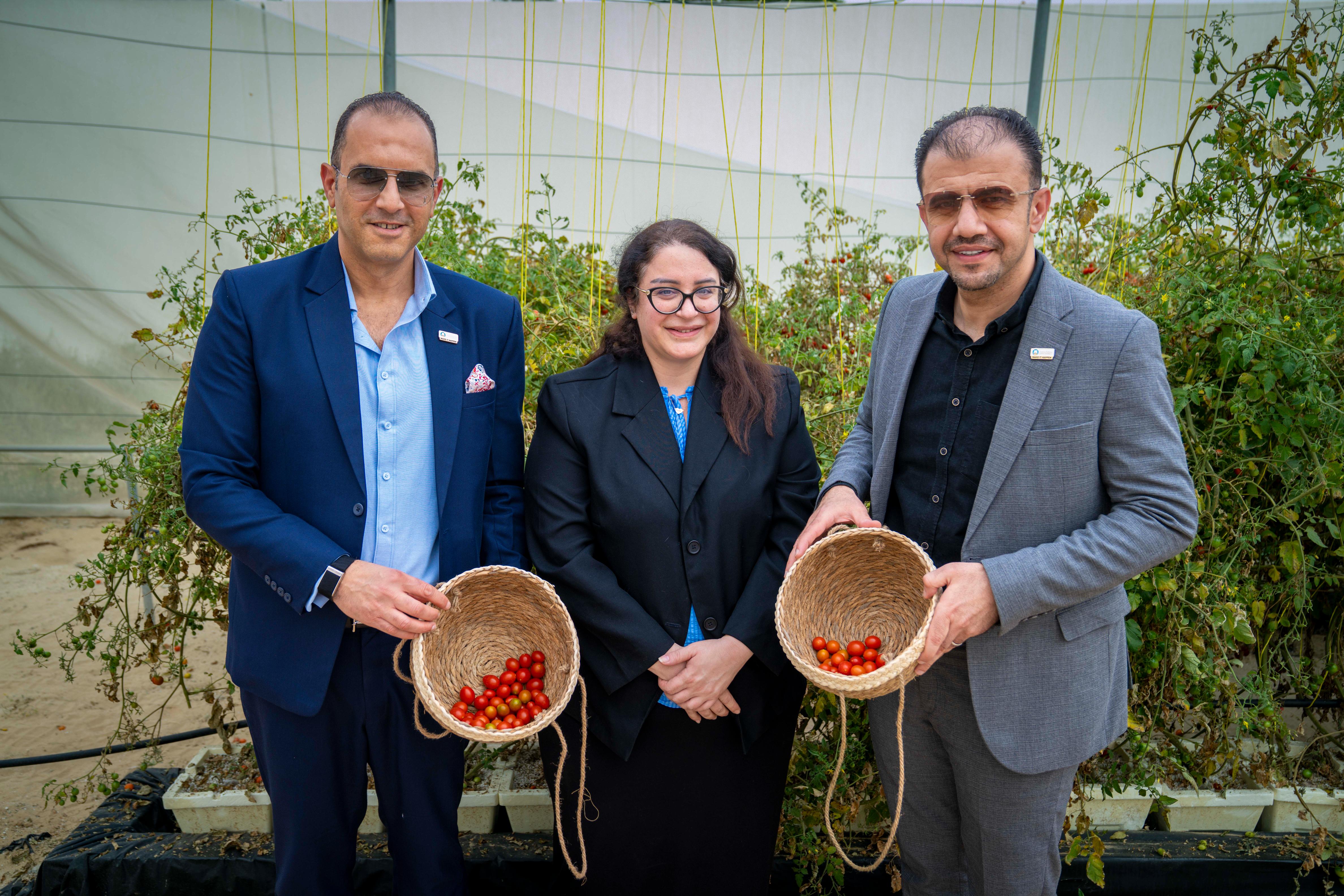
Imagine walking through your university campus, plucking a sun-warmed, perfectly ripe cherry tomato, and tasting the explosion of flavor that comes from a truly organic harvest. This is not a futuristic dream but a reality at Ajman University (AU), made possible through a strategic partnership with ICARDA (International Center for Agricultural Research in the Dry Areas).
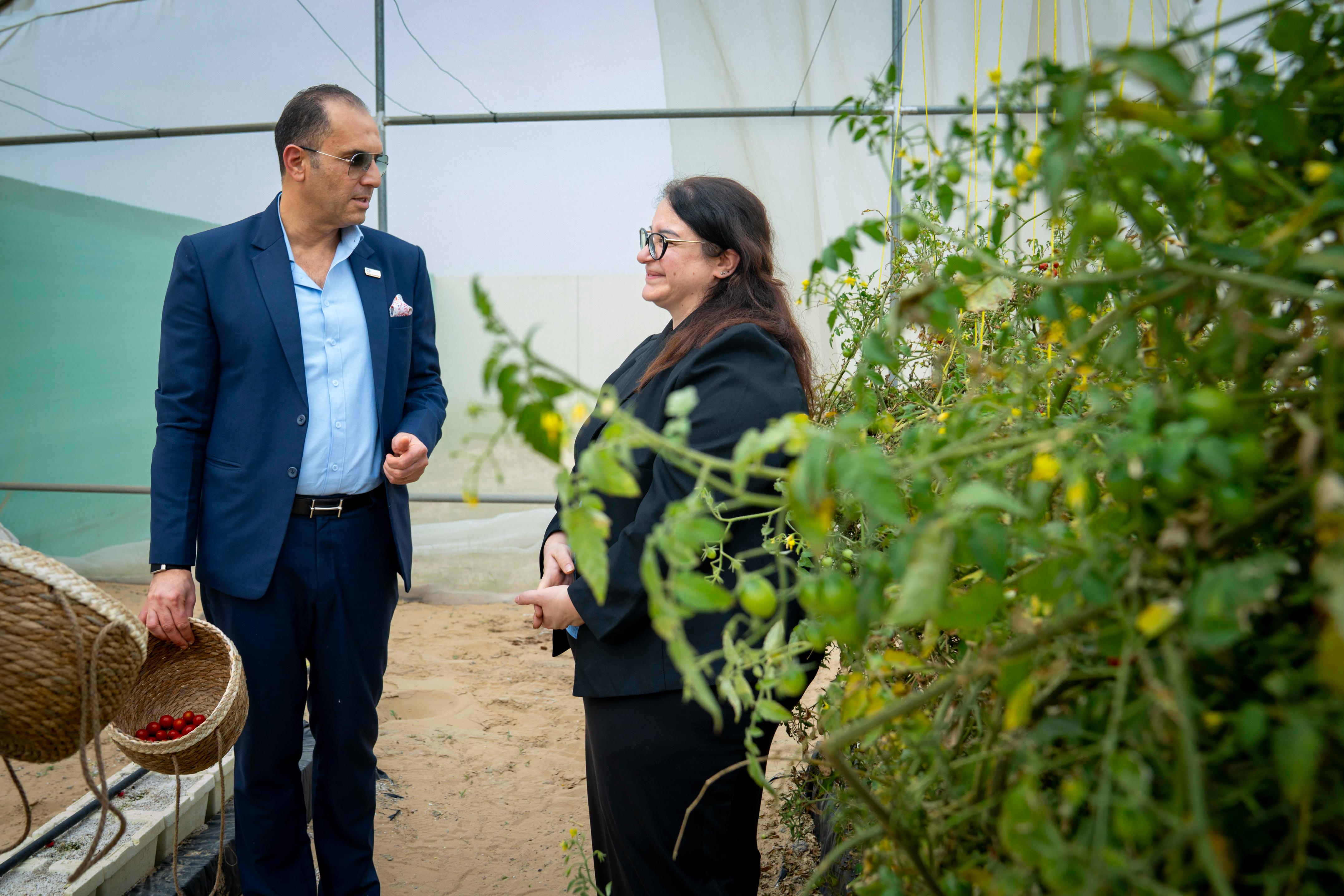
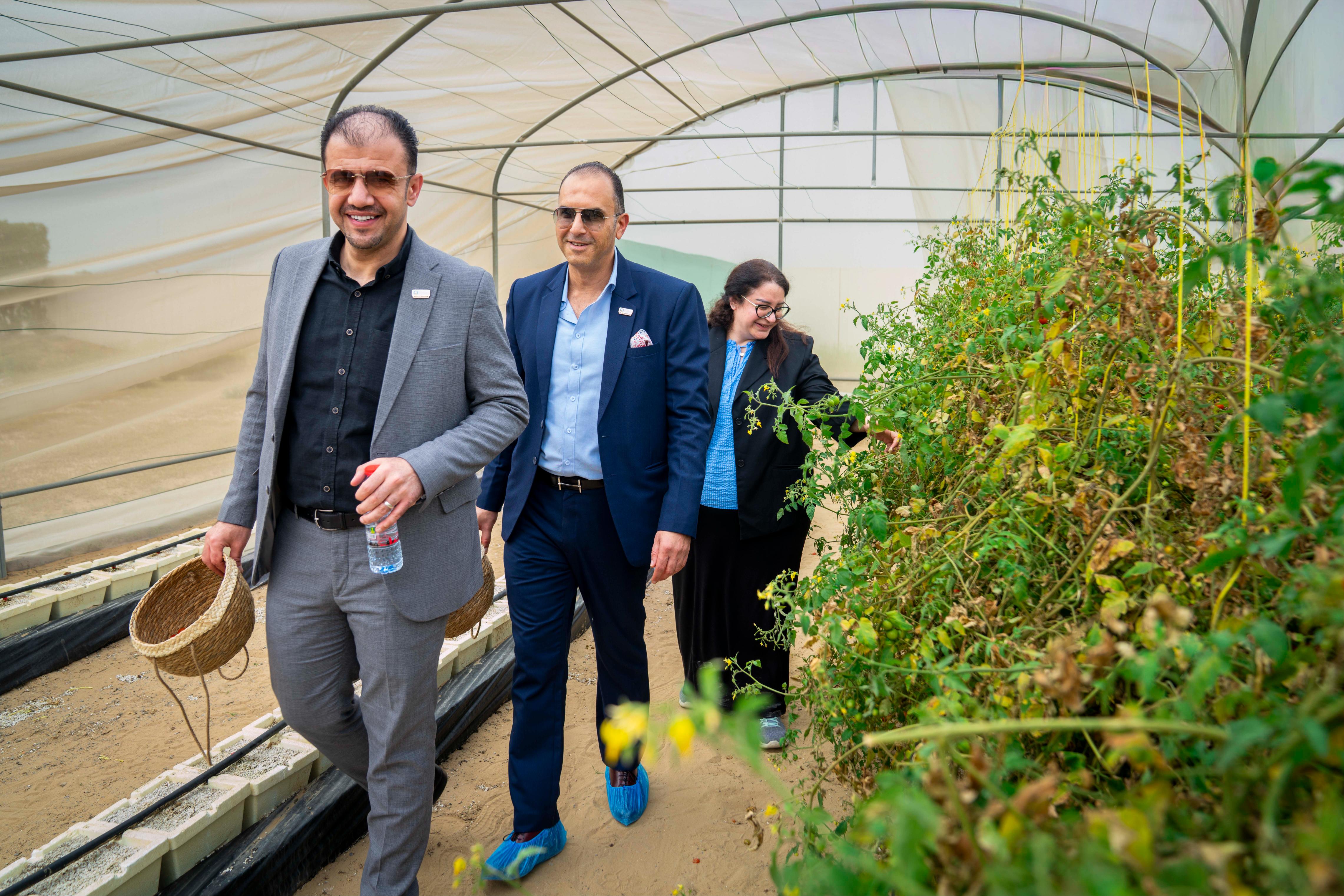
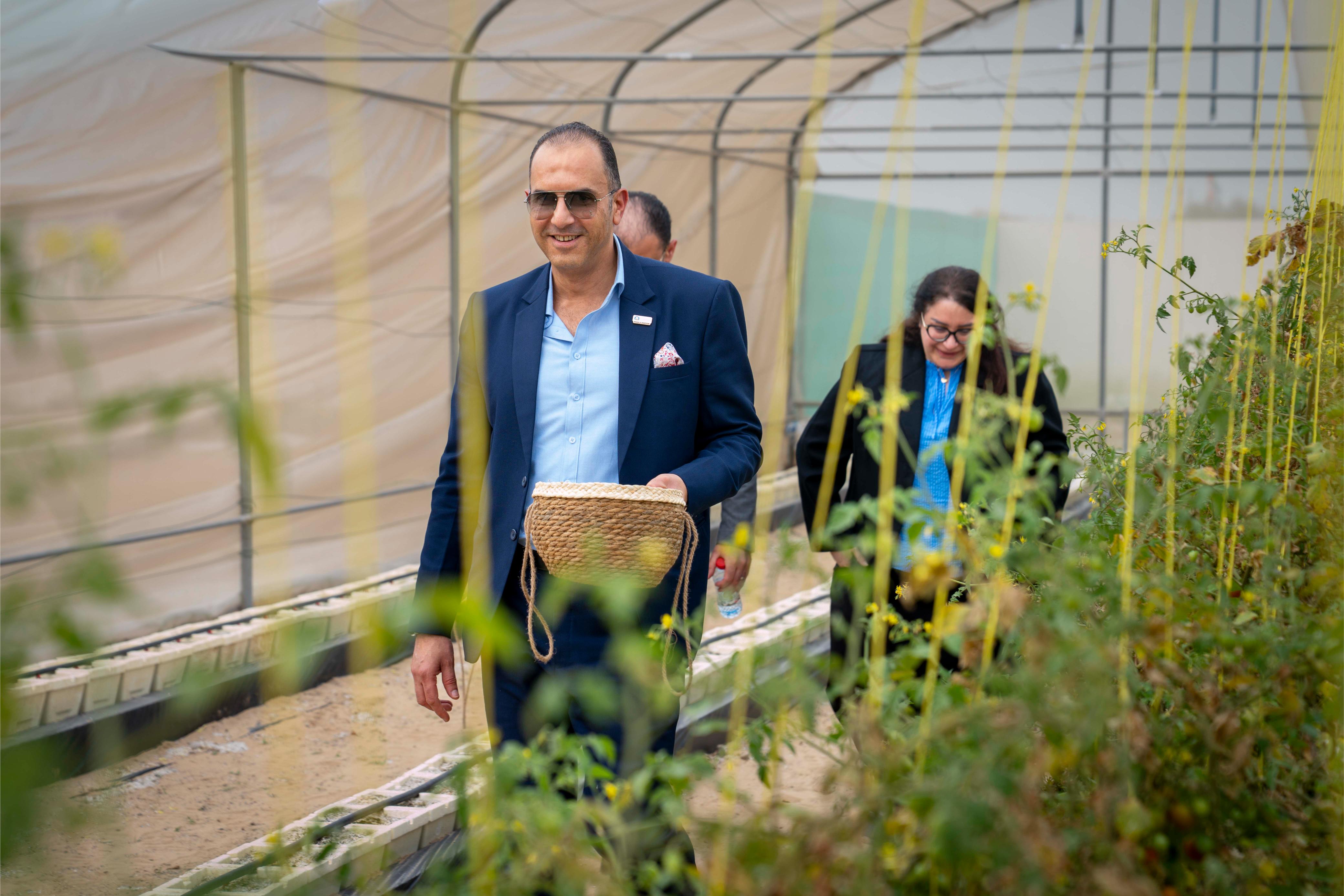
In a groundbreaking initiative that merges technology, sustainability, and education, Ajman University and ICARDA have jointly established a Solar-Powered Hydroponic Net House, setting a new standard for agricultural innovation in the UAE.
This article takes you inside this innovative campus garden, revealing how it works, why it matters, and how you can be part of this green revolution.
From Sunlight to Succulent Fruit: Why This is a Game-Changer for AU
In a region characterized by arid climate and limited arable land, the idea of a lush, productive farm on a university campus might seem like an impossible mirage. Yet, thanks to the AU-ICARDA partnership, Ajman University is turning this "impossible" into a tangible, thriving reality.
Traditional agriculture is simply not viable in the UAE's environment. By partnering with ICARDA—a world leader in dryland agriculture research—AU has adopted a system designed to overcome these exact challenges. The Solar Hydroponic Net House is a perfect example of "AgriPV," where land is used for both clean energy generation and crop cultivation, effectively turning the abundant UAE sunshine into a dual-purpose resource.
This system was designed with a clear mission: to promote sustainable farming and enhance food security in the UAE. It serves as a living laboratory, showcasing that with the right technology and global partnerships, even the most challenging environment can yield a bountiful and organic harvest.
How It Works: Sun-Powered, Soil-Free, and Smart
The secret to this campus garden's success lies in its efficient, closed-loop system, developed jointly by AU and ICARDA experts. Here is a look at the technology making it happen:
-
Solar Panels: The net house is equipped with solar panels that capture the UAE's abundant sunlight to generate all the electricity needed to run the garden. This includes powering the smart irrigation systems, climate controls, and water pumps, making the project energy-efficient.
-
Hydroponic System: The garden uses soilless farming techniques, delivering water and nutrients directly to the plant roots. This method is incredibly water-efficient, using up to 90% less water than traditional field farming. Plants grow in cocopeat or clay pebbles, which provide excellent support and aeration.
-
Smart Technology: The system is not just solar-powered; it is also "smart." It integrates automated irrigation, climate control, and nutrient delivery systems to ensure optimal growing conditions. Sensors monitor the nutrient solution's pH and electrical conductivity (EC) to keep everything perfectly balanced, eliminating guesswork and ensuring plant health.
The Star of the Harvest: Why Cherry Tomatoes?
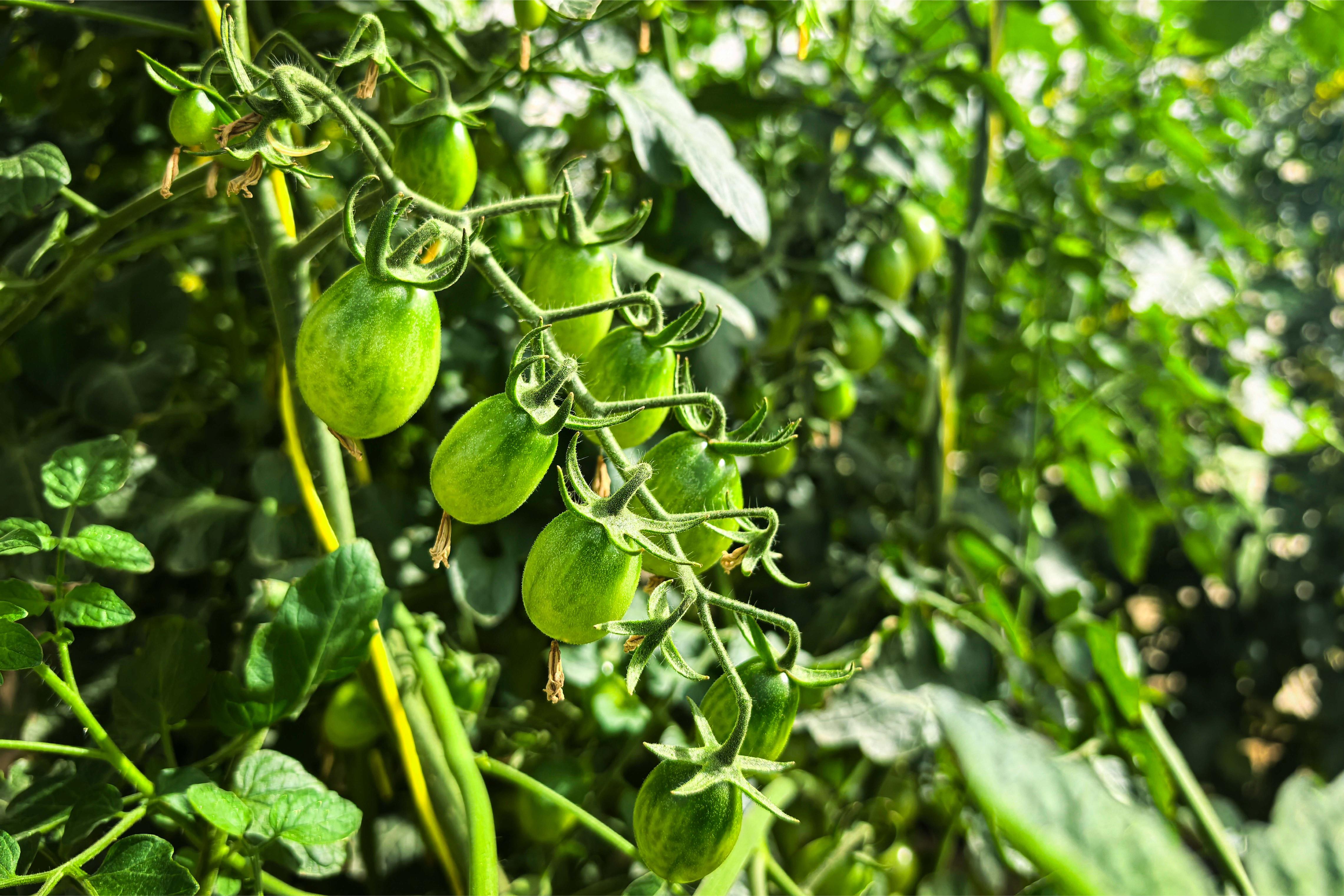
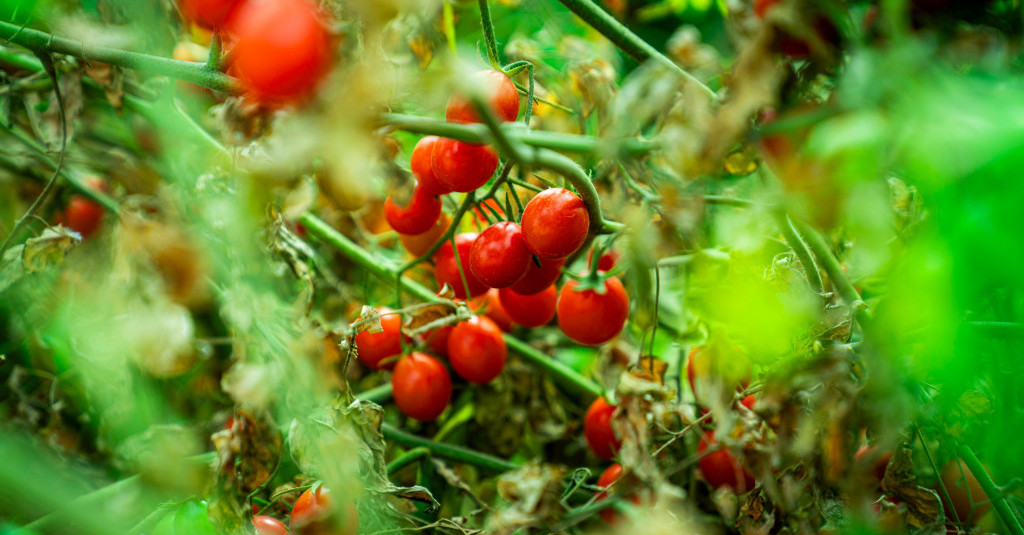
Among the various crops tested under the AU-ICARDA partnership, cherry tomatoes have emerged as a star performer. Their compact size, relatively short growing cycle (8-12 weeks from transplant to harvest), and high market value make them an ideal choice for a demonstration project.
Beyond their practicality, cherry tomatoes are a crowd-pleaser. Their vibrant colors and sweet, intense flavor provide an immediate and delicious reward for the efforts of the students, faculty, and ICARDA researchers involved. They are the perfect ambassador to convince a skeptical community that sustainable farming can be both effective and enjoyable.
The Proof is in the Tasting
The first harvest was a resounding success, with the cherry tomatoes receiving "delicious" reviews. By maintaining the pH of the nutrient solution within the ideal range of 5.8–6.3 and EC levels at 2.0–3.5 mS/cm, the plants produce fruits of exceptional quality. The system even allows for adjustments to the nutrient solution, such as adding calcium, to prevent common issues like blossom end rot, ensuring a nearly perfect batch of fruit every time.
The initial harvest also showed how an efficient setup yields impressive results. Testing showed the plants flowered early—within just 30 days of being transplanted into the hydroponic system—greatly accelerating the path to a delicious harvest.
Cultivating More Than Just Plants
While the fresh produce is a tangible benefit, the Solar Hydroponic Net House is, at its core, an educational and research hub. The partnership with ICARDA provides students with unique opportunities for hands-on experience in renewable energy, automated systems, and modern dryland agriculture. The garden is integrated into the curriculum via the Office of Sustainability, where students learn about sustainability and climate change through field-based experiences. Student-led tours are also held in the solar-powered net house to promote campus-wide awareness.
This spirit of innovation is echoed across campus. For instance, a pharmacy student won first place at a Green Campus Competition for developing "solar-powered smart pots" that purify the air and support urban greening. Another student team won recognition for a project on "Smart Simulations for Sustainable Solar," aiming to boost solar energy efficiency. This collective drive shows a university-wide commitment to sustainability, strengthened by international collaboration with ICARDA.
Overcoming Challenges, Growing Forward
No pioneering project is without its hurdles. The primary challenges for such systems are the initial investment costs and the need for ongoing technical expertise. However, the AU-ICARDA partnership is proactively addressing this by fostering a culture of research and innovation.
The university and ICARDA have plans to evolve the farm into a dedicated research hub focused on drought-resilient crops and other sustainable practices. Students are encouraged to get involved in optimizing the system. Research areas could include experimenting with different organic nutrient solutions, testing new smart sensors, or analyzing the long-term financial benefits of the garden.
The Ripe Future at Your Fingertips
The Solar Hydroponic Net House at Ajman University, established through a pioneering partnership with ICARDA, is more than a garden; it's a powerful statement. It proves that even in the heart of a desert, cutting-edge technology, global scientific collaboration, and human ingenuity can create a sustainable, bountiful, and delicious future. This initiative aligns with Ajman University's Climate & Sustainability Strategy 2022-2030, which drives climate action in line with the UAE's environmental goals.
The success of these organic, solar-powered cherry tomatoes offers a blueprint that can be replicated across the city, the nation, and beyond. It demonstrates that sustainability is not a sacrifice, but an upgrade—one that tastes sweet.