News
Ajman University Students Attend 13th Cycle of Arabia CSR & Sustainability Forum
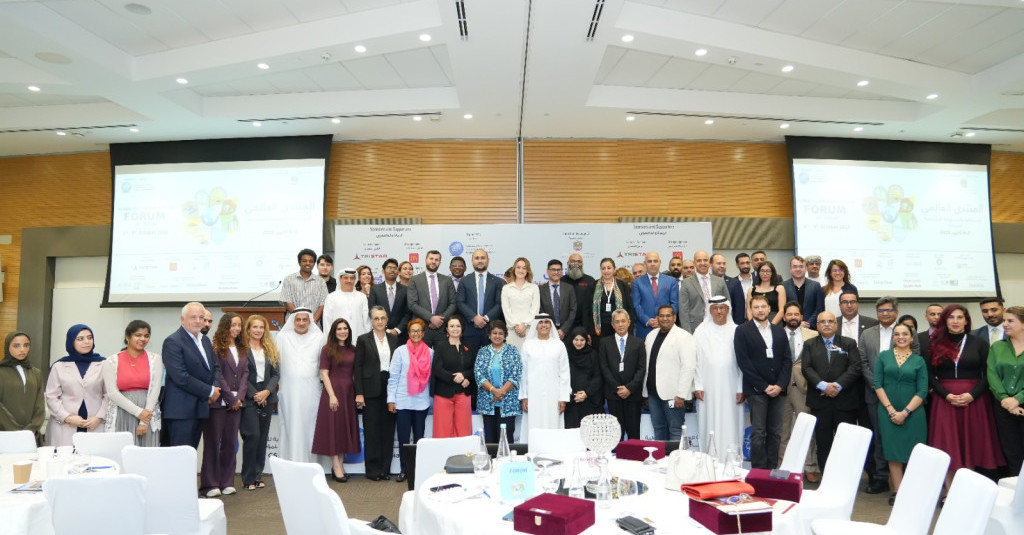
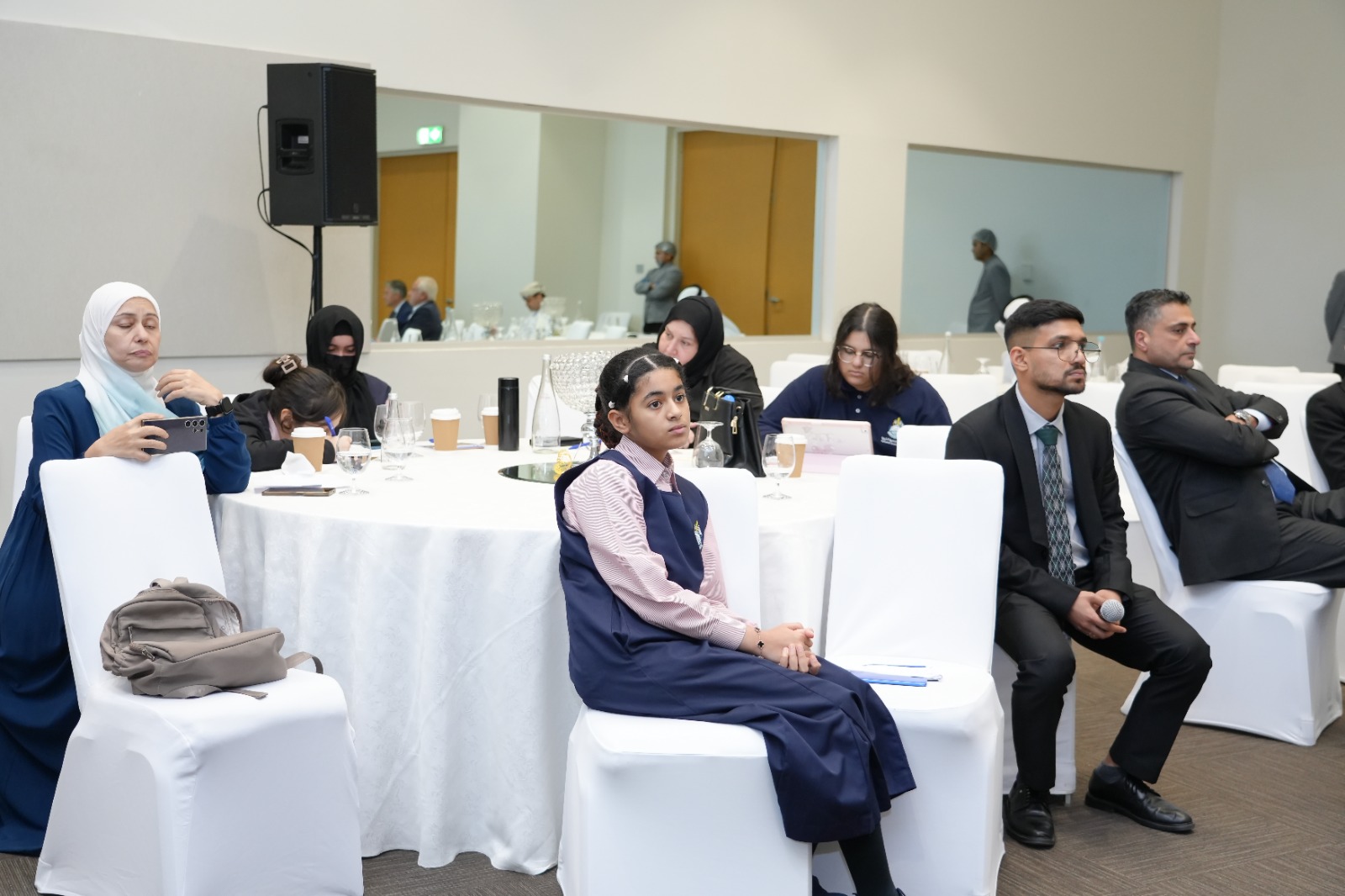
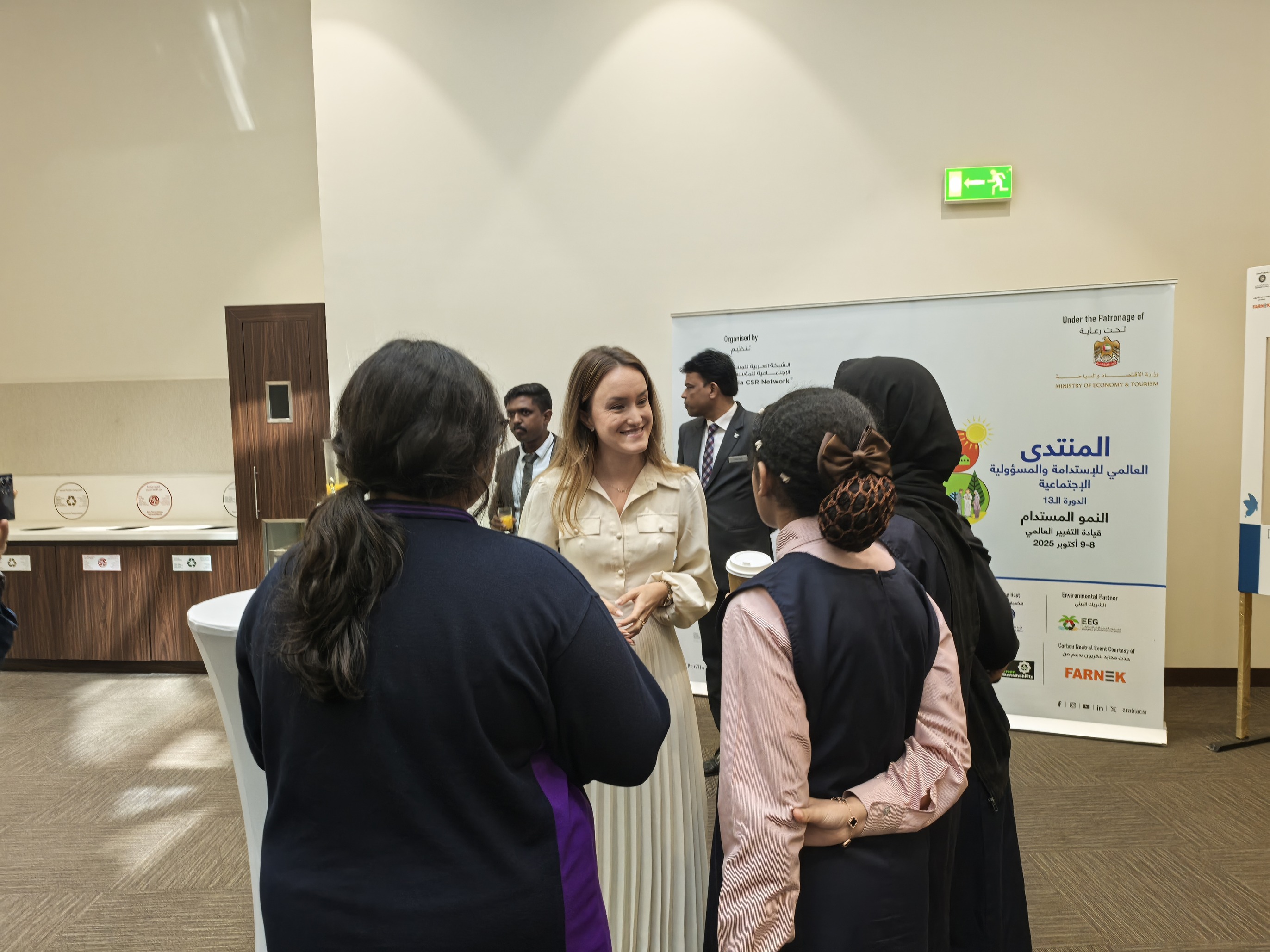
The 13th Cycle of the Arabia CSR & Sustainability Forum, held under the theme "Sustainable Growth: Orchestrating a Global Change," welcomed students from Ajman University (AU) to Dubai Chambers. Organized under the patronage of the Ministry of Economy and Tourism in strategic partnership with Dubai Chambers, the forum brought together sustainability experts, industry leaders, and high-level dignitaries from across the region alongside the university delegation.
The event provided students with an unparalleled opportunity to engage with the latest thinking on corporate climate accountability, environmental, social and governance (ESG) principles, and the pathways toward carbon neutrality and net‑zero emissions—all of which are central to the UAE's long‑term low‑emission development strategies (LT‑LEDS) and nationally determined contributions (NDCs) under the Paris Agreement.
Extending the Invitation to National Charity School
As part of Ajman University's deep‑rooted commitment to sustainability, community engagement, and climate justice, the Office of Sustainability extended the invitation to students from National Charity School to attend the forum alongside the university delegation. This initiative reflects AU's belief in a just transition—ensuring that climate literacy and professional development opportunities are accessible to all members of the community, regardless of background. By fostering climate literacy and behavioural change among young learners, the University is actively contributing to grassroots movements for climate action across the UAE.
A Comprehensive Agenda Across Sustainability Pillars
Throughout the event, students attended keynote speeches, plenary sessions, and interactive discussions focused on a wide range of critical topics, including:
-
Sustainability and Corporate Social Responsibility (CSR): Students learned how organizations are integrating climate mainstreaming into their core strategies, moving beyond philanthropy to embed sustainability into operations, supply chains, and governance structures.
-
Circular Economy and Zero Waste: Sessions explored how circular economy principles can reduce the carbon footprint of industries, minimize waste, and create economic value from materials that would otherwise be discarded.
-
Energy and Decarbonization: Discussions covered the transition to renewable energy sources (solar, wind, hydro, geothermal, tidal), the role of energy efficiency in reducing emissions, and emerging technologies such as green hydrogen and electrification of transport, heating, and industry.
-
Water and Climate Resilience: Students gained insights into water conservation strategies, climate resilience infrastructure, and the importance of protecting blue carbon ecosystems (mangroves, seagrasses, salt marshes) as natural carbon sinks.
-
Food Systems Transformation: Sessions addressed sustainable agriculture, agroecology, and the urgent need for food systems transformation to reduce methane emissions from livestock and waste, while building resilience against climate vulnerability.
-
Construction and Sustainable Materials: The forum highlighted innovations in low‑carbon construction materials, green building design, and the integration of nature‑based solutions (NbS) into urban planning.
-
Sustainable Finance: Students learned about climate finance mechanisms, including green bonds, carbon pricing, emissions trading schemes (ETS), and the emerging Carbon Border Adjustment Mechanism (CBAM) as tools to drive private sector investment in decarbonization.
Insights into Global Sustainability Practices
The forum provided attendees with valuable insights into global sustainability practices and emerging solutions that support climate resilient development. Students heard from industry leaders about the importance of setting science‑based targets, measuring and reducing carbon footprints, and avoiding reliance on carbon offsetting until deep emissions reductions have been achieved.
Discussions also touched upon the role of carbon capture, utilization, and storage (CCUS) and direct air capture (DAC) as negative emissions technologies, while emphasizing that these should complement—not replace—direct emission reductions. Students learned about the importance of protecting natural carbon sinks (forests, oceans, soil) and restoring ecosystems through afforestation, reforestation, and ecosystem restoration initiatives.
Addressing Climate Risk and the Climate Emergency
Against the backdrop of a global climate emergency, the forum addressed the growing need for disaster risk reduction (DRR), early warning systems, and climate adaptation plans. Students gained an understanding of climate risk and climate vulnerability assessments, and how organizations are integrating these into their long‑term strategies. The potential for climate tipping points and accelerating climate feedback loops was discussed as a critical driver for urgent action, including fossil fuel phase out and methane reduction across agriculture, waste, and oil and gas sectors. Discussions also touched upon the role of black carbon mitigation as a near‑term climate solution.
The forum also touched upon the role of climate modelling and scenario analysis (SSPs, RCPs) in informing corporate and government strategies, as well as the growing field of climate litigation as a tool for enforcing climate commitments. Students learned how the climate action tracker monitors progress toward national and corporate goals, and how loss and damage considerations are increasingly shaping climate finance discussions.
A Unique Opportunity for Engagement and Professional Growth
The visit offered students a unique opportunity to engage with sustainability experts, expand their professional knowledge, and gain practical exposure to sustainability initiatives and CSR practices shaping the future of the region and beyond. Students networked with industry leaders, participated in interactive Q&A sessions, and returned to campus with concrete ideas for capstone projects, research initiatives, and student-led climate activism.
For the students from National Charity School, the experience was particularly transformative—offering early exposure to climate diplomacy, corporate climate accountability, and the principles of a just transition. By participating alongside university students, younger learners gained mentorship opportunities and a clearer understanding of potential career pathways in the green economy, including roles in sustainable mobility, low‑carbon transport, and climate resilience infrastructure.
Commitment to Community Engagement and Climate Justice
Ajman University's decision to extend invitations to National Charity School students reflects its unwavering commitment to climate justice and community engagement. The University recognizes that addressing the climate emergency requires collective action across all segments of society, and that climate literacy must begin at an early age. By opening doors to young learners, AU is helping to build a pipeline of future sustainability leaders who are equipped with the knowledge, skills, and values needed to drive climate resilient development.
The forum also reinforced the importance of staying within the global carbon budget, achieving gross zero or true zero where feasible, and recognizing that negative emissions through carbon removal technologies and nature‑based solutions are essential for addressing residual emissions. Students reflected on how sustainable agriculture and agroecology can contribute to food systems transformation while reducing agriculture's. contribution to the carbon footprint.