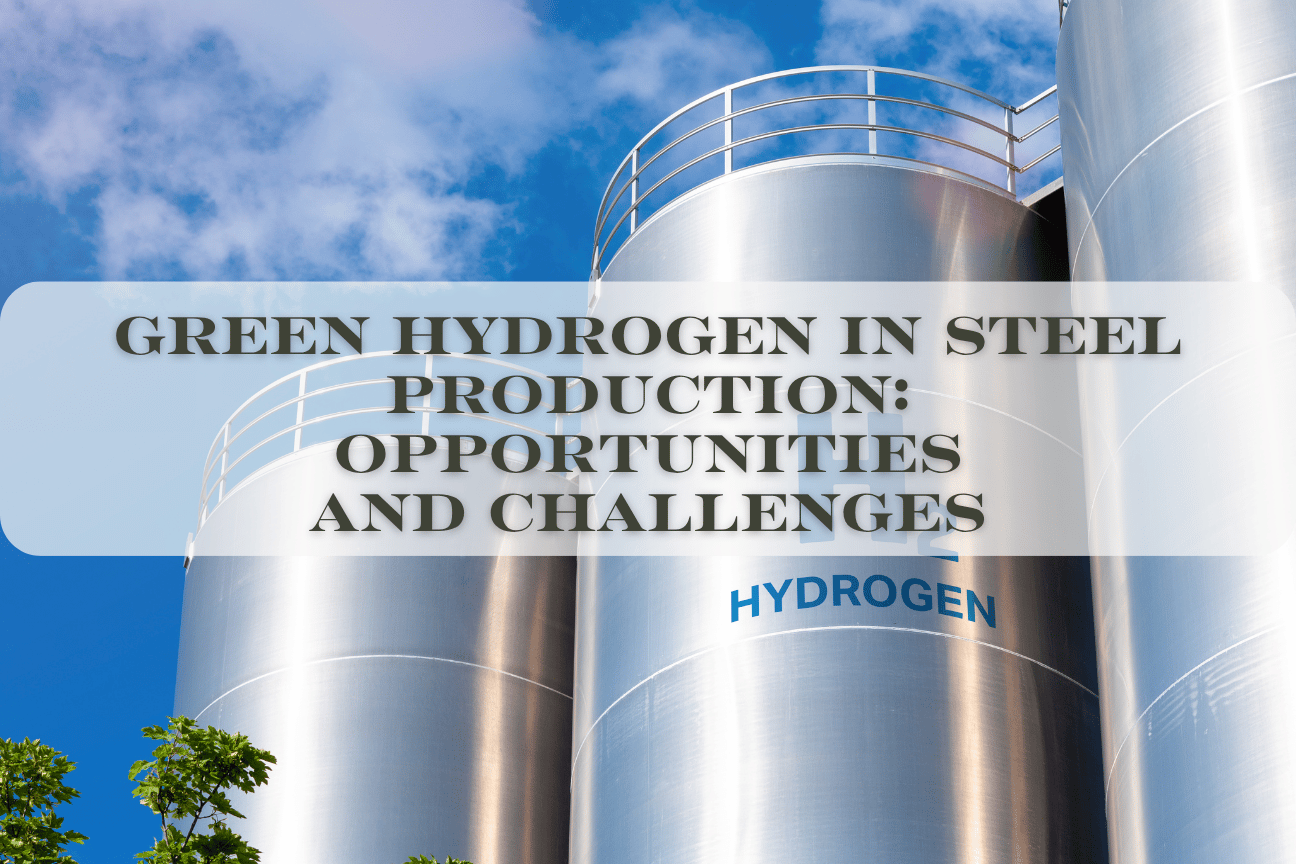
Student Research Spotlight: Green Hydrogen in Steel Production: A Pathway to Climate Action
Ajman University’s Office of Sustainability is highlighting a new student research paper by the students from the College of Business Administration, Green Hydrogen in Steel Production: Opportunities and Challenges, which explores how green hydrogen can help decarbonize one of the world’s most emissions-intensive industries: steel manufacturing.
The paper explains that green hydrogen is produced by electrolyzing water using renewable electricity from solar or wind sources. Unlike grey or blue hydrogen, it produces no CO₂ emissions during production. In steelmaking, green hydrogen can replace natural gas in Direct Reduced Iron (DRI) processes and reduce iron ore using hydrogen instead of carbon-based fuels. According to the research, this can cut CO₂ emissions by up to 90% in steel production and enable near-zero-emission steel when integrated with renewable electricity.
The student research also identifies major implementation challenges. Green hydrogen production costs remain 2–3 times higher than fossil-based alternatives, and high capital investment in electrolyzer technology, energy intensity, and limited production scale remain barriers. Renewable energy scale-up faces additional hurdles, including land requirements, grid integration, geographic constraints, and intermittency issues that require storage solutions.
A feasibility assessment in the paper suggests that short-term pilot projects and demonstrations may have limited commercial viability without subsidies, while medium-term first commercial-scale plants could narrow the cost gap through technological improvements. Long-term, widespread adoption and cost parity with conventional methods may be achievable. The paper also notes economic and environmental implications, including 30–80% higher initial production costs, new jobs in the renewable sector, reduced carbon tax exposure, premium pricing for green steel, and up to 98% reduction in CO₂ emissions.
The case study on Kalyani highlights market opportunities driven by automotive demand for green steel and EU carbon import taxes, alongside strategic recommendations to monitor regulations, form research partnerships, and balance investment between conventional and new methods.
Supporting SDG 13: Climate Action
This student research directly supports Sustainable Development Goal 13 by advancing climate action through industrial decarbonization, renewable energy integration, and significant emissions reduction. It underscores the importance of policy support, technological innovation, and industry collaboration in achieving net-zero steel and a low-carbon future.
Keywords: Green hydrogen, steel decarbonization, SDG 13, Climate Action, renewable energy, direct reduced iron (DRI), CO₂ emissions reduction, net-zero industry, energy transition, sustainable manufacturing, carbon neutrality, clean technology, climate policy, green steel, industrial decarbonization, #SDG13 #ClimateAction
To read more about this research paper, click here.