News
Ajman University’s Maya Haddad Joins High-Level Panel on Higher Education’s Role in Achieving Net Zero 2050
Ajman University’s Maya Haddad Joins High-Level Panel on Higher Education’s Role in Achieving Net Zero 2050
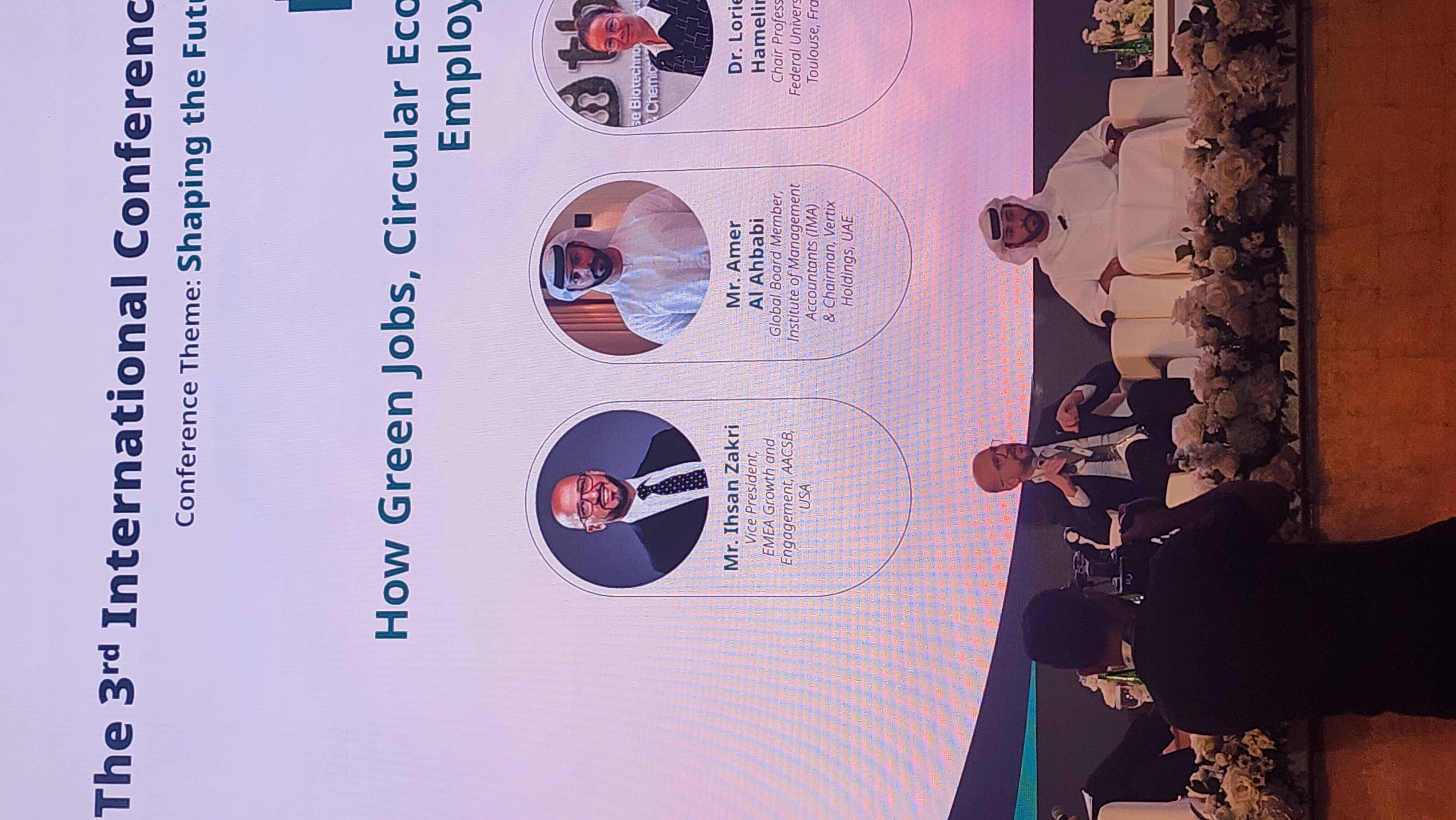
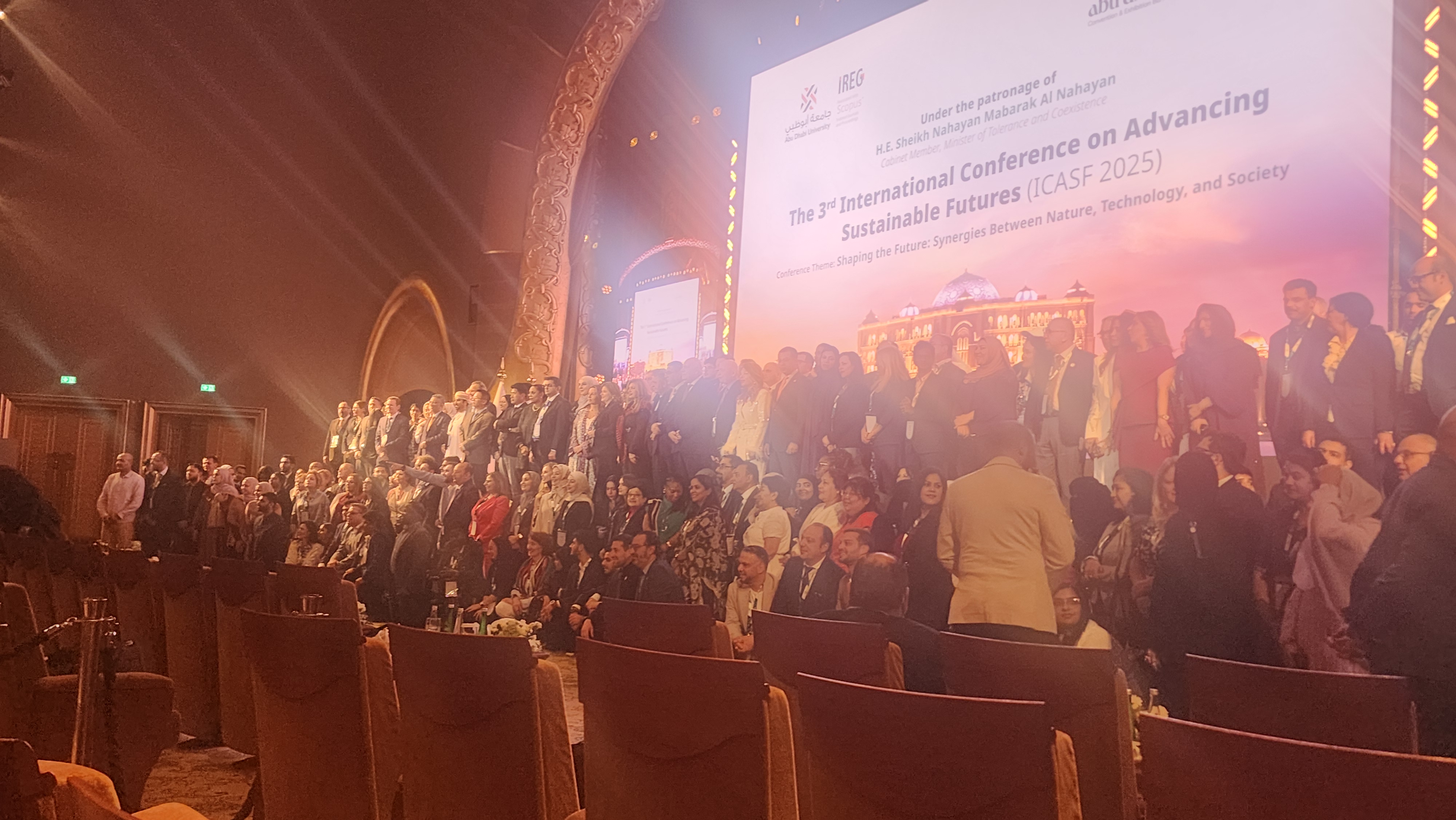
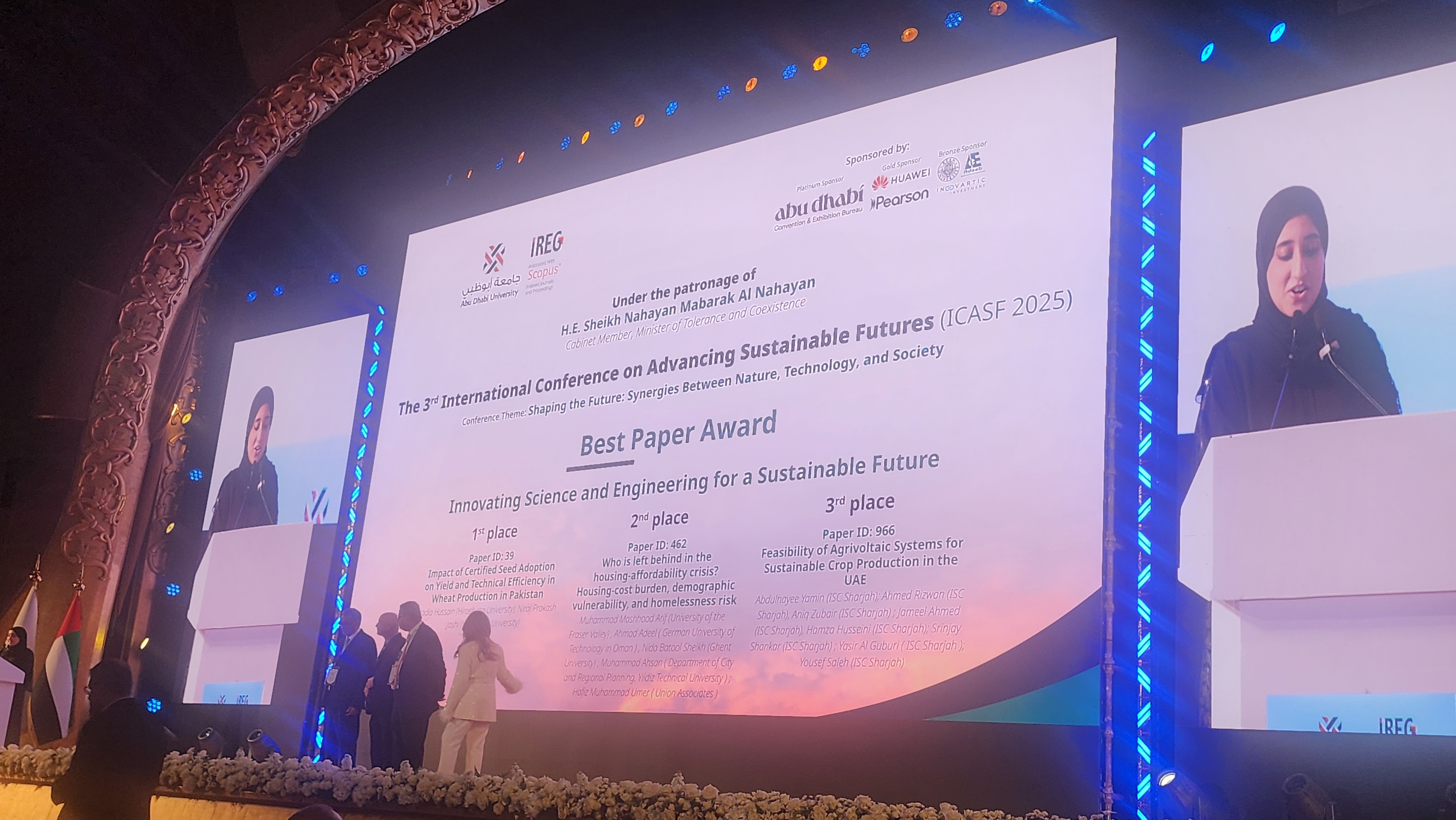
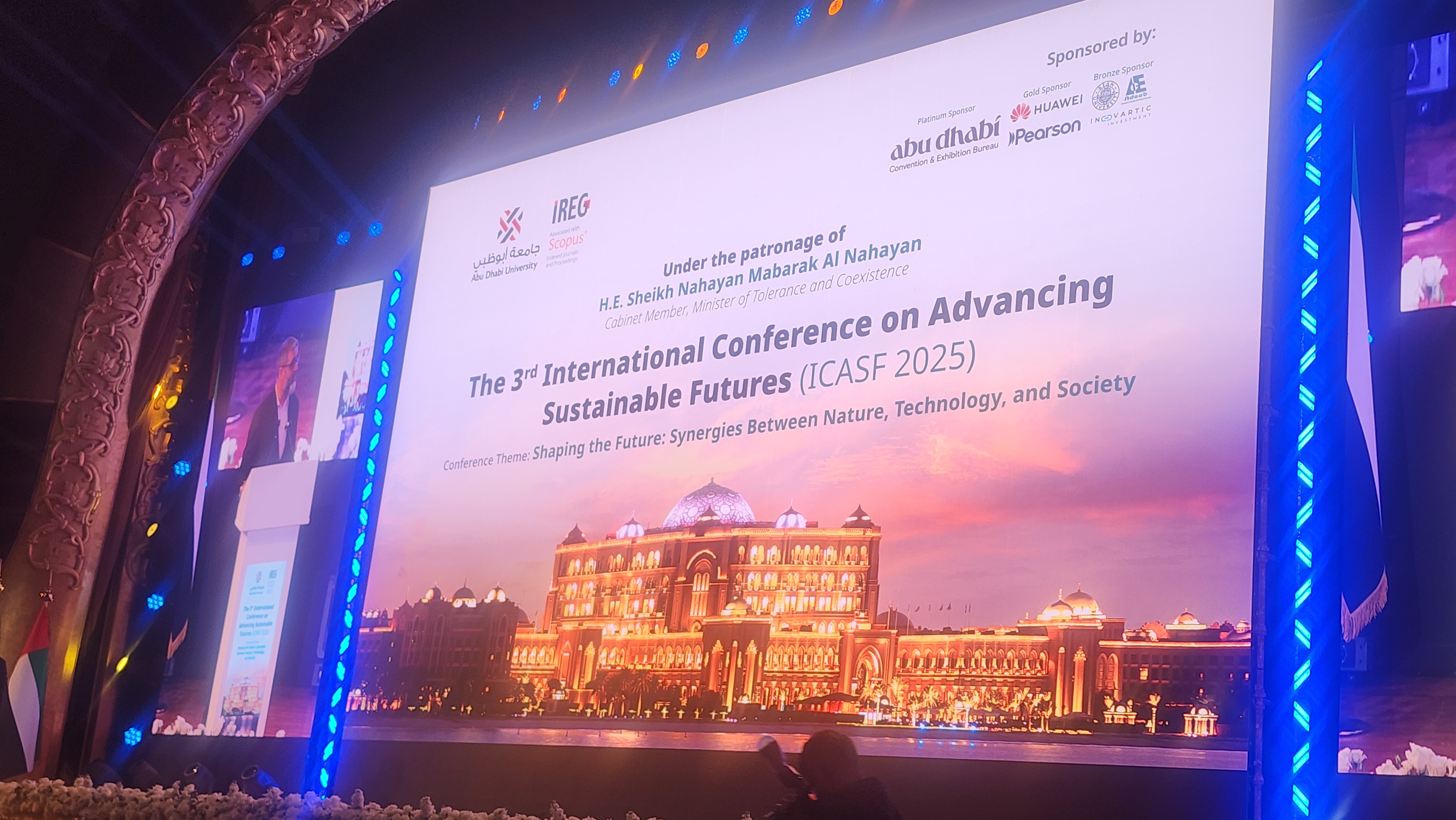
Maya Haddad, Senior Sustainability Manager at Ajman University, participated as a distinguished panelist in a high-level discussion titled “From Evidence to Impact: Orchestrating Higher-Education Policy, Research & Innovation toward Net Zero 2050, through National and International University Climate Networks", held as part of ICASF 2025 on 11 December, 2025.
The panel brought together leading experts to identify the policy levers that best convert proven campus pilots into scalable models and national standards. Discussions also focused on charting pathways for research commercialization with industry and aligning curricula and micro-credentials with the skills demanded by the Net Zero transition.
During the session, Haddad shared Ajman University’s insights on the critical need for harmonized metrics for Scope 1–3 emissions and shared impact KPIs across university networks. A major outcome of the discussion was the proposal for a time-bound collaboration mechanism—a Net Zero Universities Taskforce—complete with a 12-month action plan. This taskforce aims to deliver on shared goals through joint funding calls, shared datasets, internship exchanges, and a concise policy playbook capturing commitments, templates, and case studies.
The panel directly advanced several key United Nations Sustainable Development Goals (SDGs), particularly SDG 13 (Climate Action) through credible mitigation roadmaps and resilience planning, and SDG 17 (Partnerships for the Goals) through cross-network collaboration. The discussion also supported SDG 4 (Quality Education) by embedding green skills, SDG 7 (Affordable & Clean Energy), SDG 9 (Industry, Innovation & Infrastructure) via university-industry testbeds, SDG 11 (Sustainable Cities & Communities) through campus-city living labs, and SDG 12 (Responsible Consumption & Production) by advancing circular procurement.
“Higher education institutions are uniquely positioned to move beyond pilot projects and into systemic, scalable impact,” said Haddad. “By harmonizing our data, aligning our curricula with green skills, and forming global networks like the proposed Net Zero Universities Taskforce, academia can serve as a powerful engine for the transition to a sustainable future.”
Ajman University’s active participation in this discussion underscores its commitment to international collaboration and its ongoing efforts to pioneer climate action in the higher education sector, aligning with the UAE’s broader Net Zero targets and the 2030 Agenda for Sustainable Development.